




Brunei


Beduk
Indonesia, Malaysia, Brunei, Cocos (Keeling) Islands a large, double-headed barrel drum made from a large hollowed jackfruit or teak tree trunk and water buffalo hide, suspended in a wooden frame and struck with a padded mallet, used in Islamic call to prayer, Javanese Gamelan Ageng, Dondang Sayang & Folk Music, and Ceremonial Signaling .
canang

Malaysia, Indonesia, Brunei a percussion instrument with small, knobbed gongs (usually in pairs) suspended in a wooden frame, used in Wayang Kulit (shadow puppetry), Dikir Barat performances, and festive ceremonies.
Rebana

Indonesia, Malaysia, Brunei, Cocos (Keeling) Islands a single-headed frame drum with a wooden body and a goatskin head, widely recognized as the most important percussion instrument in the Islamic musical traditions of Southeast Asia, used in devotional music like Hadroh, Samman, and Sholawat, also used in wedding processions, and dikir barat (competitive choral form)

sompoton
Malaysia, Brunei a free-reed mouth organ made from a dried gourd and several bamboo pipes, used in personal entertainment or to accompany traditional dance and celebrations.
suling

Indonesia, Malaysia, Philippines, Brunei an end-blown, bamboo ring flute with a thin rattan or cloth band wrapped around the mouthpiece, used in Indonesian and Malaysian traditional music.
Cambodia

chapey

Cambodia a long-necked, two-stringed lute with a large, flat, lute-shaped body, used in a centuries-old tradition of improvised storytelling, where the performer sings about folk tales, Buddhist philosophy, social commentary, and satirical humor.
ching

Thailand, Cambodia, Laos a pair of small, thick, bowl-shaped finger cymbals made of bronze or brass connected by a thin cord, they serve as the "timekeeper" for classical ensembles in Thai and Cambodian court music, theater performances, and traditional ceremonies..
k'ni

Cambodia, Vietnam a single-stringed bowed instrument that uses the performer's mouth as a resonator and voice box to produce "talking" musical tones, used in intimate solo performances and traditional storytelling. Also called the "mouth violin."
khim

Thailand, Laos, Cambodia, Myanmar a trapezoidal hammered dulcimer with metal strings, two rows of bridges played with bamboo beaters, used in classical ensembles, folk music, and meditative compositions.
kse diev

Cambodia an ancient one-stringed chest-resonated stick zither with a gourd resonator, used in Phleng Kar (traditional wedding) music ensembles.
ranat ek

Thailand, Cambodia, Laos a melodic percussion instrument with twenty-one or twenty-two wooden bars suspended over a boat-shaped resonator, used in classical court music and traditional piphat ensembles.

sralai
Cambodia a wooden wind instrument featuring a quadruple palm-leaf reed, used in the Pinpeat orchestra, Cambodian classical court music, and ceremonial music.

taphon
Thailand, Cambodia, Laos a medium-sized, barrel-shaped drum placed on a stand and played with both hands, used in piphat ensemble that performs classical and ceremonial Thai music.
Indonesia


angklung
Indonesia a set of suspended bamboo tubes mounted in a frame and shaken to produce pitched tones, used to play interlocking melodic and rhythmic patterns in large ensemble performances.
Babadok

East Timor (Timor-Leste), Indonesia a single-headed, goblet-shaped used in Tebedai dance, rital and social gatherings. Traditionally played by women.
Beduk
Indonesia, Malaysia, Brunei, Cocos (Keeling) Islands a large, double-headed barrel drum made from a large hollowed jackfruit or teak tree trunk and water buffalo hide, suspended in a wooden frame and struck with a padded mallet, used in Islamic call to prayer, Javanese Gamelan Ageng, Dondang Sayang & Folk Music, and Ceremonial Signaling .
bonang

Indonesia, Malaysia a set of tuned, metal gongs small bronze kettles or pots resting on strings within a wooden frame and struck with padded mallets, used in gamelan ensembles for dance, theater, and royal ceremonies.

calung
Indonesia, Malaysia a xylophone-like percussion instrument made of bamboo tubes struck with a wooden mallet, used in village festivities, harvest celebrations, and Sundanese folk theater.
canang
Malaysia, Indonesia, Brunei a percussion instrument with small, knobbed gongs (usually in pairs) suspended in a wooden frame, used in Wayang Kulit (shadow puppetry), Dikir Barat performances, and festive ceremonies.
ceng ceng

Indonesia (Bali) small, hand-held cymbals mounted on a frame, used in balinese gamelan ensembles, cremation processions (ngaben), and temple festivals.

coconut rattles
Philippines, Indonesia, Brazil, Caribbean region, Oceania shaken percussion instruments made from dried coconut shells filled with seeds or beads, used in folk, ceremonial, and dance music.

genggong
Indonesia, Malaysia a jaw harp made from the rib of a sugar palm leaf or bamboo, used to mimic the sounds of nature, rhythmic accompaniment for traditional storytelling and village dances.
kacapi

Indonesia (West Java) a plucked box zither with a wooden body, movable bridge, and metal strings, used in Tembang Sunda (aristocratic poetry) and Kacapi Suling (instrumental music).
kemanak

Indonesia a bronze percussion instrument shaped like a hollow, curved husk or banana that is struck with a mallet and muffled with the hand to produce a rhythmic "clocking" sound, used in ancient court gamelan ensembles.
kolintang

Indonesia, Philippines a pitched percussion instrument with a row of graduated wooden slats laid horizontally on a wooden rack (like a xylophone or marimba) played with rubber-tipped wooden beaters, used in festive celebrations, traditional dances, and community ensemble performances.

kundu
Papua New Guinea, West Papua (Indonesia), Solomon Islands an hourglass-shaped drum with a single lizard-skin head and a handle carved into its side, the most iconic musical instrument of Papua New Guinea, used in the Sing-Sing (large cultural gatherings where hundreds of performers drum and dance in unison to tell ancestral stories).
rebab

Indonesia, Malaysia, Afghanistan, Egypt, Turkey, Morocco a bowed string instrument with a small, rounded body covered by a parchment or skin membrane and a long, slender neck, used in Gamelan orchestras, Mak Yong dance drama, classical court music, classical Arabic music, Andalusian classical music, Sufi devotional music, and Ottoman classical traditions.
Rebana
Indonesia, Malaysia, Brunei, Cocos (Keeling) Islands a single-headed frame drum with a wooden body and a goatskin head, widely recognized as the most important percussion instrument in the Islamic musical traditions of Southeast Asia, used in devotional music like Hadroh, Samman, and Sholawat, also used in wedding processions, and dikir barat (competitive choral form)
rindik

Indonesia (Bali) a percussion instrument made of bamboo tubes suspended on a wooden frame (bamboo xylophone) played with mallets, used in weddings, special gatherings, cultural festivals, ceremonial music, and atmospheric music

saluang
Indonesia an end-blown flute made of thin bamboo requiring circular breathing to be played, used in folk ceremonies and accompaniment for traditional singers (tukang dendang), where the flute mimics the nuances and "crying" qualities of the human voice in a style known as Saluang Jo Dendang.
suling
Indonesia, Malaysia, Philippines, Brunei an end-blown, bamboo ring flute with a thin rattan or cloth band wrapped around the mouthpiece, used in Indonesian and Malaysian traditional music.
tarompet

Indonesia (West Java) a double-reed wind instrument with a conical bore and an upward-curving metal bell, used in Sundanese ceremonial music, Kuda Lumping (spirit possession dance), Sisingaan (lion dance), and pencak silat (martial arts) accompaniment.
toleat
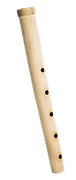
Philippines, Indonesia a single-reed wind instrument made from bamboo with a mouthpiece carved directly into the tube, used in traditional folk melodies and contemporary fusion music.
Laos

ching
Thailand, Cambodia, Laos a pair of small, thick, bowl-shaped finger cymbals made of bronze or brass connected by a thin cord, they serve as the "timekeeper" for classical ensembles in Thai and Cambodian court music, theater performances, and traditional ceremonies..

dan moi
Vietnam, Laos a brass or bamboo mouth harp, used for folk melodies, courtship songs, and traditional storytelling.

dan nhi
Vietnam, Laos a two-stringed vertical fiddle with a small resonator covered with snakeskin and a bow that is permanently threaded between the strings, used in orchestral court music, folk operas, and funerary rituals.
jakhe

Thailand, Laos a plucked zither with three strings and elevated frets, used in classical court ensembles and traditional chamber music.
khaen

Laos, Thailand a large, free-reed mouth organ made of bamboo tubes of varying lengths, connected by a small wooden air chamber, used in Molam (a style of rhythmic, improvised singing), storytelling, and folk dances in the Mekong region.
khim
Thailand, Laos, Cambodia, Myanmar a trapezoidal hammered dulcimer with metal strings, two rows of bridges played with bamboo beaters, used in classical ensembles, folk music, and meditative compositions.

khlui
Thailand, Laos a vertical fipple flute flute made of bamboo or hardwood, used in lead melodic instrument in classical ensembles, folk music, and pop ballads.
lusheng

China, Laos, Vietnam a free-reed mouth organ with 5 or 6 bamboo pipes each containing a small, vibrating bronze reed at its base inside a wooden windchest, and a long, protruding wooden pipe used as a mouthpiece, used for courtship rituals, circle dances, and harvest celebration.
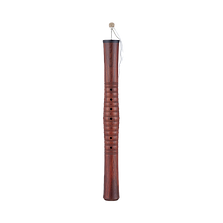
pi nai
Thailand, Laos a large bulbous woodwind instrument with a quadruple reed, used in piphat ensembles
qeej

Laos, Vietnam a free-reed mouth organ with multiple bamboo pipes fitted into a wooden air chamber, used to communicate tonal language during funeral rites, weddings, and cultural festivals.
ranat ek
Thailand, Cambodia, Laos a melodic percussion instrument with twenty-one or twenty-two wooden bars suspended over a boat-shaped resonator, used in classical court music and traditional piphat ensembles.
taphon
Thailand, Cambodia, Laos a medium-sized, barrel-shaped drum placed on a stand and played with both hands, used in piphat ensemble that performs classical and ceremonial Thai music.
Malaysia

angklung
Indonesia, Malaysia, The Philippines a set of suspended bamboo tubes mounted in a frame and shaken to produce pitched tones, used to play interlocking melodic and rhythmic patterns in large ensemble performances.
Beduk
Indonesia, Malaysia, Brunei, Cocos (Keeling) Islands a large, double-headed barrel drum made from a large hollowed jackfruit or teak tree trunk and water buffalo hide, suspended in a wooden frame and struck with a padded mallet, used in Islamic call to prayer, Javanese Gamelan Ageng, Dondang Sayang & Folk Music, and Ceremonial Signaling .
bonang
Indonesia, Malaysia a set of tuned, metal gongs small bronze kettles or pots resting on strings within a wooden frame and struck with padded mallets, used in gamelan ensembles for dance, theater, and royal ceremonies.
calung
Indonesia, Malaysia a xylophone-like percussion instrument made of bamboo tubes struck with a wooden mallet, used in village festivities, harvest celebrations, and Sundanese folk theater.
canang
Malaysia, Indonesia, Brunei a percussion instrument with small, knobbed gongs (usually in pairs) suspended in a wooden frame, used in Wayang Kulit (shadow puppetry), Dikir Barat performances, and festive ceremonies.
genggong
Indonesia, Malaysia a jaw harp made from the rib of a sugar palm leaf or bamboo, used to mimic the sounds of nature, rhythmic accompaniment for traditional storytelling and village dances.
guzheng

China, Taiwan, Singapore, Malaysia, Macau a large plucked zither with a long, arched soundboard and movable bridges, used in traditional folk music, operatic accompaniment, and modern orchestral compositions.
nadaswaram
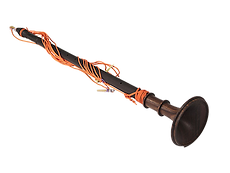
India, Sri Lanka, Malaysia, Singapore a large double-reed wind instrument with a long conical wooden body and a flared metal bell, used for temple rituals, Tamil Hindu cultural and religious ceremonies, Carnatic classical concerts, and traditional wedding processions.
rebab
Indonesia, Malaysia, Afghanistan, Egypt, Turkey, Morocco a bowed string instrument with a small, rounded body covered by a parchment or skin membrane and a long, slender neck, used in Gamelan orchestras, Mak Yong dance drama, classical court music, classical Arabic music, Andalusian classical music, Sufi devotional music, and Ottoman classical traditions.
Rebana
Indonesia, Malaysia, Brunei, Cocos (Keeling) Islands a single-headed frame drum with a wooden body and a goatskin head, widely recognized as the most important percussion instrument in the Islamic musical traditions of Southeast Asia, used in devotional music like Hadroh, Samman, and Sholawat, also used in wedding processions, and dikir barat (competitive choral form)
sompoton
Malaysia, Brunei a free-reed mouth organ made from a dried gourd and several bamboo pipes, used in personal entertainment or to accompany traditional dance and celebrations.
suling
Indonesia, Malaysia, Philippines, Brunei an end-blown, bamboo ring flute with a thin rattan or cloth band wrapped around the mouthpiece, used in Indonesian and Malaysian traditional music.
tānggu

China, Taiwan, Singapore, Malaysia, Macau a medium-sized, barrel-shaped percussion drum played with two sticks and mounted on a stand, used in Chinese traditional operas, folk music, and temple rituals.
Myanmar


hne
Myanmar a conical woodwind instrument with a multi-layered metal bell and a quadruple-reed mouthpiece, used in traditional outdoor percussion ensembles and theatrical performances.

hulusi
China, Myanmar, Vietnam a free-reed wind instrument with three bamboo pipes attached to a dried gourd windchest, used in traditional and contemporary music ensembles.
khim
Thailand, Laos, Cambodia, Myanmar a trapezoidal hammered dulcimer with metal strings, two rows of bridges played with bamboo beaters, used in classical ensembles, folk music, and meditative compositions.
pat waing

Myanmar a set of twenty-one tuned drums suspended inside a decorative gold-leafed circular frame, used in traditional folk orchestras, hsaing waing ensemble, puppet shows, and religious ceremonies.

saung-gauk
Myanmar an arched harp with a boat-shaped resonator and a long, curved neck, the "national instrument" of Myanmar and the only surviving harp tradition in mainland Asia, used in royal court music, Maha Gita (great songs), and Burmese classical poetry.
Singapore

diyingehu

China, Taiwan, Singapore a large, four-stringed bowed instrument that serves as the bass voice in a modern Chinese orchestra, similar to a Western double bass but with the resonance of a snakeskin-covered soundbox.

dizi
China, Taiwan, Singapore The dizi is a transverse bamboo flute with a unique vibrating membrane called a mo-kong, used in folk music, Chinese opera, and modern orchestral performances.

erhu
China, Taiwan, Singapore, Macau a two-stringed vertical fiddle with a small hexagonal or octagonal resonator covered in python skin, used as the "violin" of the Chinese orchestra, in traditional and contemporary music, solo performances, ensembles, and film scores.
guzheng
China, Taiwan, Singapore, Malaysia, Macau a large plucked zither with a long, arched soundboard and movable bridges, used in traditional folk music, operatic accompaniment, and modern orchestral compositions.
nadaswaram
India, Sri Lanka, Malaysia, Singapore a large double-reed wind instrument with a long conical wooden body and a flared metal bell, used for temple rituals, Tamil Hindu cultural and religious ceremonies, Carnatic classical concerts, and traditional wedding processions.
tānggu
China, Taiwan, Singapore, Malaysia, Macau a medium-sized, barrel-shaped percussion drum played with two sticks and mounted on a stand, used in Chinese traditional operas, folk music, and temple rituals.
Thailand

ching
Thailand, Cambodia, Laos a pair of small, thick, bowl-shaped finger cymbals made of bronze or brass connected by a thin cord, they serve as the "timekeeper" for classical ensembles in Thai and Cambodian court music, theater performances, and traditional ceremonies..
jakhe
Thailand, Laos a plucked zither with three strings and elevated frets, used in classical court ensembles and traditional chamber music.
khaen
Laos, Thailand a large, free-reed mouth organ made of bamboo tubes of varying lengths, connected by a small wooden air chamber, used in Molam (a style of rhythmic, improvised singing), storytelling, and folk dances in the Mekong region.
khim
Thailand, Laos, Cambodia, Myanmar a trapezoidal hammered dulcimer with metal strings, two rows of bridges played with bamboo beaters, used in classical ensembles, folk music, and meditative compositions.
khlui
Thailand, Laos a vertical fipple flute flute made of bamboo or hardwood, used in lead melodic instrument in classical ensembles, folk music, and pop ballads.
khong wong

Thailand a melodic percussion instrument with a series of graduated bronze gongs mounted horizontally in a circular rattan frame where the player sits in the center, used in classical court music, Piphat ensembles, and traditional theater ensembles.
pi nai
Thailand, Laos a large bulbous woodwind instrument with a quadruple reed, used in piphat ensembles
ranat ek
Thailand, Cambodia, Laos a melodic percussion instrument with twenty-one or twenty-two wooden bars suspended over a boat-shaped resonator, used in classical court music and traditional piphat ensembles.
saw sam sai

Thailand a three-stringed spike fiddle with a three-lobed coconut body and a separate bow, used in royal court music, Mahori ensemble, and state ceremonies, associated with royalty and high social status.
taphon
Thailand, Cambodia, Laos a medium-sized, barrel-shaped drum placed on a stand and played with both hands, used in piphat ensemble that performs classical and ceremonial Thai music.
The Philippines

angklung
Indonesia, Malaysia, The Philippines a set of suspended bamboo tubes mounted in a frame and shaken to produce pitched tones, used to play interlocking melodic and rhythmic patterns in large ensemble performances.
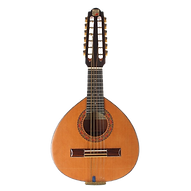
bandurria
Spain, Philippines, Bolivia, Peru, Andorra, Gibraltar a plucked string instrument with a pear-shaped body and twelve strings in six double courses, played with a plectrum, used in Spanish folk music, Zarzuela, and rondalla ensembles.
coconut rattles
Philippines, Indonesia, Brazil, Caribbean region, Oceania shaken percussion instruments made from dried coconut shells filled with seeds or beads, used in folk, ceremonial, and dance music.
kolintang
Indonesia, Philippines a pitched percussion instrument with a row of graduated wooden slats laid horizontally on a wooden rack (like a xylophone or marimba) played with rubber-tipped wooden beaters, used in festive celebrations, traditional dances, and community ensemble performances.
kubing

Philippines a bamboo jaw harp featuring a thin, vibrating tongue carved into a slender frame, used for personal entertainment, courtship, and mimicking the sounds of the environment.
kudyapi

Philippines a long, two-stringed boat-shaped lute carved from a single block of wood, used primarily for courtship, storytelling, mimicking tonal patterns of local speech dialects, and as a symbolic representation of bravery.

laúd
Spain, Cuba, Philippines a pear-shaped, multi-stringed plucked lute with a deep resonant body and paired string courses, used in "Tuna" university group, Plectrum Orchestras, Rondalla ensembles, and Punto Guajiro music.
suling
Indonesia, Malaysia, Philippines, Brunei an end-blown, bamboo ring flute with a thin rattan or cloth band wrapped around the mouthpiece, used in Indonesian and Malaysian traditional music.
toleat
Philippines, Indonesia a single-reed wind instrument made from bamboo with a mouthpiece carved directly into the tube, used in traditional folk melodies and contemporary fusion music.

tongali
Philippines a nose flute made of bamboo with three to four finger holes, used in courtship rituals and personal entertainment.
Vietnam

dan da

Vietnam an ancient lithophone with a set of stone slabs aligned like a xylophone and struck with mallets, used in ceremonial performances, traditional folk music, and modern orchestral arrangements.
dan moi
Vietnam, Laos a brass or bamboo mouth harp, used for folk melodies, courtship songs, and traditional storytelling.
dan nhi
Vietnam, Laos a two-stringed vertical fiddle with a small resonator covered with snakeskin and a bow that is permanently threaded between the strings, used in orchestral court music, folk operas, and funerary rituals.
Đàn tranh

Vietnam a long, plucked zither with 16 to 25 stainless steel strings and movable bridges that allow for pitch bending and glissandos, used in traditional chamber music, royal court performances, and folk songs.
hulusi
China, Myanmar, Vietnam a free-reed wind instrument with three bamboo pipes attached to a dried gourd windchest, used in traditional and contemporary music ensembles.
k'ni
Cambodia, Vietnam a single-stringed bowed instrument that uses the performer's mouth as a resonator and voice box to produce "talking" musical tones, used in intimate solo performances and traditional storytelling. Also called the "mouth violin."

kèn bầu
Vietnam a double-reed woodwind instrument with a conical wooden body and a bulb-shaped gourd or wooden resonator, used in ceremonial processions, traditional theater, and outdoor festivals.
lusheng
China, Laos, Vietnam a free-reed mouth organ with 5 or 6 bamboo pipes each containing a small, vibrating bronze reed at its base inside a wooden windchest, and a long, protruding wooden pipe used as a mouthpiece, used for courtship rituals, circle dances, and harvest celebration.
qeej
Laos, Vietnam a free-reed mouth organ with multiple bamboo pipes fitted into a wooden air chamber, used to communicate tonal language during funeral rites, weddings, and cultural festivals.
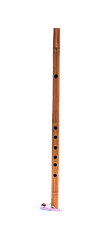
sáo trúc
Vietnam a transverse flute made from a single piece of bamboo, used in Chèo (popular theatre), Cải lương (reformed opera), lyrical folk melodies, traditional folk ensembles (Nhạc ngũ âm), and classical chamber music.

t'rung
Vietnam a percussion instrument made from a series of varying length bamboo tubes, suspended horizontally and struck with mallets, used in folk music and ceremonial performances in the Central Highlands.