


Albania


Çifteli
Albania, Kosovo, North Macedonia, Montenegro a long-necked, two-stringed plucked lute with a small, pear-shaped body, used in northern Albanian folk music, epic storytelling, and festive dances.

davul
Turkey, Bulgaria, North Macedonia, Albania, Azerbijan, Iran a large, double-headed cylindrical drum played with two different beaters, used for leading outdoor processions, Anatolian folk music and folk dances, and wedding celebrations.
fyell

Albania, Kosovo, North Macedonia, Montenegro an end-blown flute carved from wood or cane, used for shepherd melodies, epic folk songs, and communal circle dances.

gusle
Serbia, Motenegro, Bosnia and Herzegovina, Croatia, Albania a single-stringed bowed instrument with a round, skin-covered resonator and a long neck, used to accompany long epic poems and traditional storytelling.
kaval

Bulgaria, North Macedonia, Turkey, Albania, Romania, Serbia, Greece a rim-blown chromatic flute with a long wooden body and eight finger holes, used in virtuosic dance tunes, mountain shepherd music,

saz
Turkey, Azerbaijan, Iran, Armenia, Bosnia, Albania Greece a long-necked, plucked lute with a deep, pear-shaped body and movable frets, used in folk storytelling, Ashiq minstrels to accompany epic poems, troubadour music, and Sufi poetry.
tupan
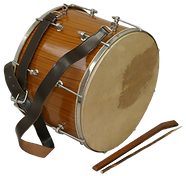
Bulgaria, North Macedonia, Albania a large, cylindrical, double-headed bass drum played with a large mallet on one side and a thin stick on the other, used in folk dances and Balkan wedding music
Armenia

blul

Armenia an end‑blown wooden flute, used in pastoral melodies, folk dances, and lyrical storytelling.
duduki

Georgia, Armenia a large, double-reed woodwind instrument known for its warm, melancholic tone, used in folk melodies, comic verses, and festive dance music in small ensembles.

kemenche
Turkey, Greece, Armenia, Iran a small, bottle-shaped bowed string instrument with a wooden body and a skin-covered or thin wooden resonato, used in fast-paced Horon dances of the Black Sea coast, and traditional vocal accompaniment.
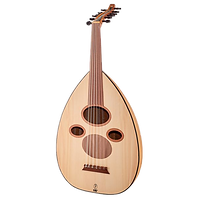
oud
Iraq, Iran, Palestine, Syria, Lebanon, Egypt, Morocco, Turkey, Armenia, Bahrain, Djibouti a short-necked, pear-shaped lute with a large vaulted back and eleven or thirteen strings, used in classical Arabic music, Ottoman classical music, folk ensembles, and cinematic scores.
parkapzuk

Armenia a bellows-blown bagpipe with a double chanter and a drone, used in outdoor dances, weddings, and traditional folk celebrations.
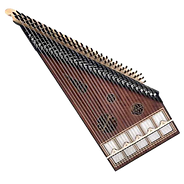
qānūn
Turkey, Lebanon, Syria, Iraq, Egypt, Armenia, Azerbaijan a flat, trapezoidal zither with a system of small metal levers and dozens of strings stretched over a wooden soundboard, used in classical and traditional Middle Eastern ensembles such as the Takht ensemble, Levant’s musical heritage, Maqam tradition, Rebetiko, and traditional folk music of Asia Minor .
saz
Turkey, Azerbaijan, Iran, Armenia, Bosnia, Albania Greece a long-necked, plucked lute with a deep, pear-shaped body and movable frets, used in folk storytelling, Ashiq minstrels to accompany epic poems, troubadour music, and Sufi poetry.

shvi
Armenia, Georgia, Turkey a small, end-blown flute with seven finger holes and one thumb hole, used in traditional folk music and contemporary Middle Eastern classical music.
tar

Iran, Azerbaijan, Georgia, Armenia a long-necked, plucked string instrument with a figure-eight shaped body covered in a stretched membrane, which plays the main melodic line, used in Persian classical music and Azerbaijani folk music.

zurna
Turkey, Azerbaijan, Armenia, Greece, Iran double-reed woodwind instrument with a broad conical bore and a wide bell, used in Turkish folk dances, weddings, and public celebrations.
Azerbaijan

Çeng

Turkey, Azerbaijan a small, angular harp with long, horizontal soundbox and a vertical neck, used in sultan's courts, sufi ceremonies, and historical turkish art music.
davul
Turkey, Bulgaria, North Macedonia, Albania, Azerbijan, Iran a large, double-headed cylindrical drum played with two different beaters, used for leading outdoor processions, Anatolian folk music and folk dances, and wedding celebrations.

dayereh
Iran, Azerbaijan, Uzbekistan, Tajikistan, Afghanistan a medium-sized frame drum featuring a series of metal rings or jingles attached to the inner rim, used in social gatherings, classical poetry recitals, and traditional wedding music.

kamancha
Iran, Azerbaijan, Armenia, Uzbekistan, Turkmenistan a four-stringed spike fiddle with a small, spherical resonator and a long neck, used in Persian classical court music and traditional folk ensembles.
naqareh

Iran, India, Pakistan, Turkey, Azerbaijan, Uzbekistan, Turkmenistan, Afghanistan a pair of kettle-shaped drums made of clay, wood, or metal and covered with hide and played with sticks, used in the "Naqareh-khaneh" to announce the sunrise and sunset, Naubat ensembles, royal processions, military fanfares, and traditional festive music.
qānūn
Turkey, Lebanon, Syria, Iraq, Egypt, Armenia, Azerbaijan a flat, trapezoidal zither with a system of small metal levers and dozens of strings stretched over a wooden soundboard, used in classical and traditional Middle Eastern ensembles such as the Takht ensemble, Levant’s musical heritage, Maqam tradition, Rebetiko, and traditional folk music of Asia Minor .
saz
Turkey, Azerbaijan, Iran, Armenia, Bosnia, Albania Greece a long-necked, plucked lute with a deep, pear-shaped body and movable frets, used in folk storytelling, Ashiq minstrels to accompany epic poems, troubadour music, and Sufi poetry.
tar
Iran, Azerbaijan, Georgia, Armenia a long-necked, plucked string instrument with a figure-eight shaped body covered in a stretched membrane, which plays the main melodic line, used in Persian classical music and Azerbaijani folk music.
zurna
Turkey, Azerbaijan, Armenia, Greece, Iran double-reed woodwind instrument with a broad conical bore and a wide bell, used in Turkish folk dances, weddings, and public celebrations.
Belarus


balalaika
Russia, Ukraine, Belarus a plucked string instrument with a triangular body and three strings (or occasionally six, tuned in pairs), used in in Russian folk music and folk orchestras.

bayan
Russia, Ukraine, Belarus a sophisticated chromatic button free-reed accordion, used in virtuoso classical, contemporary, and professional folk music performance.

domra
Russia, Ukraine, Belarus a long-necked lute with a round, bowl-shaped body and three or four metal strings, used in folk melodies, rapid-fire tremolo solos, and as a core member of the Russian folk orchestra.
dūdas

Latvia, Belarus, Estonia a bagpipe with a leather bellows or bag, a melodic chanter, and one or more drone pipes, used in folk dances, wedding processions, and seasonal outdoor festivals.
gusli

Russia, Ukraine, Belarus a plucked psaltery-style instrument, used in traditional folk music, accompaniment for epic storytelling, and folk rituals.

sopilka
Ukraine, Belarus, Poland, Slovakia a wooden or plastic fipple flute with six to ten tone holes, used in folk music and dance ensembles.
tsymbaly

Belarus, Ukraine, Poland a hammered dulcimer with a trapezoidal soundbox and strings stretched over a bridge, played by striking the strings with two small hammers, used in Eastern European folk ensembles and classical music.
zhaleika

Russia, Ukraine, Belarus a small, single-reed woodwind instrument with a short wooden tube and a flared horn bell made of cow horn or birch bark, used in Russian folk songs and dance music.
Bosnia and Herzegovina


brač
Croatia, Serbia, Bosnia and Herzegovina a plucked string instrument shaped like a small guitar or large mandolin, used in tamburica orchestras, traditional folk dances, and choral ensembles

diple
Croatia, Bosnia and Herzegovina, Montenegro, Serbia, Slovenia a single-reed woodwind instrument with two parallel pipes bored into a single block of wood, can also be used as the "chanter" (the melodic pipe) of the traditional Balkan bagpipe, used in folk dances, shepherd melodies, and rural celebrations.
diplica

Croatia, Serbia, Bosnia and Hezegovina a single-reed "double clarinet" made from a single piece of wood with two parallel channels, used in folk dances, seasonal celebrations, and ceremonial music in rural ensembles.
frula
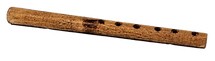
Serbia, Croatia, Bosnia and Herzegovina, Montenegro, North macedonia a small wooden end-blown flute with finger holes, used by shepherds for pastoral improvisations and to lead the fast-paced kolo circle dances.
gusle
Serbia, Motenegro, Bosnia and Herzegovina, Croatia, Albania a single-stringed bowed instrument with a round, skin-covered resonator and a long neck, used to accompany long epic poems and traditional storytelling.
saz
Turkey, Azerbaijan, Iran, Armenia, Bosnia, Albania Greece a long-necked, plucked lute with a deep, pear-shaped body and movable frets, used in folk storytelling, Ashiq minstrels to accompany epic poems, troubadour music, and Sufi poetry.
Bulgaria

davul
Turkey, Bulgaria, North Macedonia, Albania, Azerbijan, Iran a large, double-headed cylindrical drum played with two different beaters, used for leading outdoor processions, Anatolian folk music and folk dances, and wedding celebrations.

dvoyanka
Bulgaria, North Macedonia, Serbia a double-channeled wooden flute carved from a single piece of wood that allows a soloist to play a melody and a drone simultaneously, used in shepherd calls and folk dances.

gadulka
Bulgaria a bowed string instrument with a pear-shaped body,10-12 sympathetic strings, and no fingerboard, used in folk dances, Bulgarian "bitov" orchestra, and complex rhythmic accompaniment.
gaida

Bulgaria, North Macedonia, Greece a bagpipe made from a goat or sheep skin with a single-reed drone and a melodic pipe, used for outdoor festivals, weddings, and energetic circle dances.

harmonetta
Germany, France, United States, Bulgaria a mouth-blown free-reed instrument with a grid of 32 hexagonal buttons, used in jazz, folk, and classical music.
kaval
Bulgaria, North Macedonia, Turkey, Albania, Romania, Serbia, Greece a rim-blown chromatic flute with a long wooden body and eight finger holes, used in virtuosic dance tunes, mountain shepherd music,
tupan
Bulgaria, North Macedonia, Albania a large, cylindrical, double-headed bass drum played with a large mallet on one side and a thin stick on the other, used in folk dances and Balkan wedding music
Croatia

brač
Croatia, Serbia, Bosnia and Herzegovina a plucked string instrument shaped like a small guitar or large mandolin, used in tamburica orchestras, traditional folk dances, and choral ensembles
diple
Croatia, Bosnia and Herzegovina, Montenegro, Serbia, Slovenia a single-reed woodwind instrument with two parallel pipes bored into a single block of wood, can also be used as the "chanter" (the melodic pipe) of the traditional Balkan bagpipe, used in folk dances, shepherd melodies, and rural celebrations.
diplica
Croatia, Serbia, Bosnia and Hezegovina a single-reed "double clarinet" made from a single piece of wood with two parallel channels, used in folk dances, seasonal celebrations, and ceremonial music in rural ensembles.
frula
Serbia, Croatia, Bosnia and Herzegovina, Montenegro, North macedonia a small wooden end-blown flute with finger holes, used by shepherds for pastoral improvisations and to lead the fast-paced kolo circle dances.
gusle
Serbia, Motenegro, Bosnia and Herzegovina, Croatia, Albania a single-stringed bowed instrument with a round, skin-covered resonator and a long neck, used to accompany long epic poems and traditional storytelling.

sopila
Croatia a small, wooden double-reed instrument with a conical bore, used in Croatian folk dances and accompanying folk singers.
Czech Republic

cymbalom

Hungary, Romania, Slovakia, Czech Republic, Moldova a large, hammered dulcimer with a trapezoidal shape and metal strings stretched across its top, used in orchestral compositions, folk ensembles, and traditional wedding music.
dudy
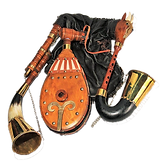
Czech Republic, Poland, Slovakia, Germany, Austria a bellows-blown or mouth-blown bagpipe with a melodic chanter and a single long drone pipe with a carved wooden goat’s head, used for wedding dances, carnivals, and folk festivals.
gajdy
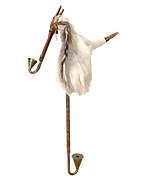
Slovakia, Poland, Czech Republic a bagpipe native to the Carpathian Mountains with a large animal-skin bag and carved wooden pipes, used in shepherds' songs and winter solstice caroling.
heligonka

Czech Republic, Slovakia, Poland, Slovenia a button accordion with enhanced bass reeds that produce "tuba-like" sound, used in folk dances, weddings, and tavern songs.

konkovka
Slovakia, Czech Republic a long, end-blown overtone flute without finger holes that produces sound by varying breath pressure and opening or closing the bottom end, used in folk melodies and pastoral music of Shepherds in the Carpathian mountains.
Estonia

dūdas
Latvia, Belarus, Estonia a bagpipe with a leather bellows or bag, a melodic chanter, and one or more drone pipes, used in folk dances, wedding processions, and seasonal outdoor festivals.

kannel
Estonia a plucked box zither (or "psaltery") with a trapezoidal wooden body and varying numbers of strings, used for accompaning ancient runosongs, traditional folk melodies, communal singing accompaniment, and meditative solo performances.

talharpa
Estonia, Sweden a bowed lyre with a rectangular wooden frame and three or four strings, used in Scandinavian folk music.
torupill

Estonia a bagpipe with a single reed pipe (chanter) and one or two drone pipes, a leather bag, and a simple wooden structure, used in dance tunes and folk melodies.
Georgia

duduki
Georgia, Armenia a large, double-reed woodwind instrument known for its warm, melancholic tone, used in folk melodies, comic verses, and festive dance music in small ensembles.
gudastviri

Georgia a bagpipe with a double-chantered pipe and no drones, used in storytelling, satirical songs, and dance accompaniment.

panduri
Georgia a three-stringed, fretted lute with a spade-shaped body, used in polyphonic songs, heroic ballads, and folk dances.

salamuri
Georgia an end-blown fipple flute made of wood or cane, used in celebratory village music, traditional dance, folk melodies, and shepherd songs.
shvi
Armenia, Georgia, Turkey a small, end-blown flute with seven finger holes and one thumb hole, used in traditional folk music and contemporary Middle Eastern classical music.
tar
Iran, Azerbaijan, Georgia, Armenia a long-necked, plucked string instrument with a figure-eight shaped body covered in a stretched membrane, which plays the main melodic line, used in Persian classical music and Azerbaijani folk music.
Hungary


bucium
Romania, Moldova a long, natural horn made of wood or metal, reaching lengths of up to 3 meters (10 feet), signaling between mountain peaks, guiding livestock, and ceremonial rituals such as funerals and weddings.

csakan
Austria, Hungary, Germany a duct flute (recorder-style) fashioned in the shape of a walking stick, used in salon music, virtuosic solo performances during the Biedermeier period, chamber music, and folk-inspired classical compositions.
cymbalom
Hungary, Romania, Slovakia, Czech Republic, Moldova a large, hammered dulcimer with a trapezoidal shape and metal strings stretched across its top, used in orchestral compositions, folk ensembles, and traditional wedding music.
hurdy-gurdy

France, Hungary, Spain, Germany a stringed instrument played by turning a crank that rubs a wheel against the strings, functioning like a "mechanical violin", used in folk, neo-medieval, film scores, and experimental music.

koboz
Hungary, Romania, Moldova a short-necked, double-stringed (usually four courses of two strings each), fretless lute with a bowl-shaped back and a 90-degree angle "bent" pegbox, used as a rhythmic-harmonic accompaniment for violins and flutes in folk dance music.
tárogató

Hungary, Romania, Slovakia a single-reed woodwind instrument with a conical bore and a soprano-saxophone-like mouthpiece, used in Hungarian folk melodies, military bands, solo classical performances.
ütőgardon

Hungary, Romania a string instrument resembling a large cello with three or four gut strings which are percussively struck with a stick, acting as a rhythmic drone, used in Hungarian and Transylvanian folk dance music.
Kosovo

Çifteli
Albania, Kosovo, North Macedonia, Montenegro a long-necked, two-stringed plucked lute with a small, pear-shaped body, used in northern Albanian folk music, epic storytelling, and festive dances.
fyell
Albania, Kosovo, North Macedonia, Montenegro an end-blown flute carved from wood or cane, used for shepherd melodies, epic folk songs, and communal circle dances.
Latvia

dūdas
Latvia, Belarus, Estonia a bagpipe with a leather bellows or bag, a melodic chanter, and one or more drone pipes, used in folk dances, wedding processions, and seasonal outdoor festivals.

kokles
Latvia a plucked box zither with a trapezoidal wooden body and a wing-like extension, used for solo meditative performances, singing accompaniment, and folk ensemble music.
Lithuania

birbynė

Lithuania a single- or double-reed woodwind instrument made of wood or bark with a cow horn bell, used in folk ensembles, chamber music, and solo concert performances.
kanklės

Lithuania a plucked box zither (or "psaltery") with a trapezoidal wooden body, decorative sound hole, and wire or gut strings, used in solo meditation, folk song accompaniment, and traditional Baltic ensemble music.

torban
Ukraine, Poland, Lithuania a large, elaborate lute with fretted melodic strings and many shorter bass strings (known as prystruńky) placed on the soundboard, used in Baroque and Romantic classical music and folk songs.
Moldova

bucium
Romania, Moldova a long, natural horn made of wood or metal, reaching lengths of up to 3 meters (10 feet), signaling between mountain peaks, guiding livestock, and ceremonial rituals such as funerals and weddings.
cymbalom
Hungary, Romania, Slovakia, Czech Republic, Moldova a large, hammered dulcimer with a trapezoidal shape and metal strings stretched across its top, used in orchestral compositions, folk ensembles, and traditional wedding music.
koboz
Hungary, Romania, Moldova a short-necked, double-stringed (usually four courses of two strings each), fretless lute with a bowl-shaped back and a 90-degree angle "bent" pegbox, used as a rhythmic-harmonic accompaniment for violins and flutes in folk dance music.
Montenegro

Çifteli
Albania, Kosovo, North Macedonia, Montenegro a long-necked, two-stringed plucked lute with a small, pear-shaped body, used in northern Albanian folk music, epic storytelling, and festive dances.
diple
Croatia, Bosnia and Herzegovina, Montenegro, Serbia, Slovenia a single-reed woodwind instrument with two parallel pipes bored into a single block of wood, can also be used as the "chanter" (the melodic pipe) of the traditional Balkan bagpipe, used in folk dances, shepherd melodies, and rural celebrations.
diplica
Croatia, Serbia, Bosnia and Hezegovina a single-reed "double clarinet" made from a single piece of wood with two parallel channels, used in folk dances, seasonal celebrations, and ceremonial music in rural ensembles.
frula
Serbia, Croatia, Bosnia and Herzegovina, Montenegro, North macedonia a small wooden end-blown flute with finger holes, used by shepherds for pastoral improvisations and to lead the fast-paced kolo circle dances.
fyell
Albania, Kosovo, North Macedonia, Montenegro an end-blown flute carved from wood or cane, used for shepherd melodies, epic folk songs, and communal circle dances.
gusle
Serbia, Motenegro, Bosnia and Herzegovina, Croatia, Albania a single-stringed bowed instrument with a round, skin-covered resonator and a long neck, used to accompany long epic poems and traditional storytelling.
North Macedonia

Çifteli
Albania, Kosovo, North Macedonia, Montenegro a long-necked, two-stringed plucked lute with a small, pear-shaped body, used in northern Albanian folk music, epic storytelling, and festive dances.
davul
Turkey, Bulgaria, North Macedonia, Albania, Azerbijan, Iran a large, double-headed cylindrical drum played with two different beaters, used for leading outdoor processions, Anatolian folk music and folk dances, and wedding celebrations.
dvoyanka
Bulgaria, North Macedonia, Serbia a double-channeled wooden flute carved from a single piece of wood that allows a soloist to play a melody and a drone simultaneously, used in shepherd calls and folk dances.
floyera

Greece, Cyprus, North Macedonia a shepherd's end-blown flute made from a single piece of wood, cane, or bone, used in folk and pastoral music for melodic and ceremonial purposes.
frula
Serbia, Croatia, Bosnia and Herzegovina, Montenegro, North macedonia a small wooden end-blown flute with finger holes, used by shepherds for pastoral improvisations and to lead the fast-paced kolo circle dances.
fyell
Albania, Kosovo, North Macedonia, Montenegro an end-blown flute carved from wood or cane, used for shepherd melodies, epic folk songs, and communal circle dances.
gaida
Bulgaria, North Macedonia, Greece a bagpipe made from a goat or sheep skin with a single-reed drone and a melodic pipe, used for outdoor festivals, weddings, and energetic circle dances.
kaval
Bulgaria, North Macedonia, Turkey, Albania, Romania, Serbia, Greece a rim-blown chromatic flute with a long wooden body and eight finger holes, used in virtuosic dance tunes, mountain shepherd music,
tupan
Bulgaria, North Macedonia, Albania a large, cylindrical, double-headed bass drum played with a large mallet on one side and a thin stick on the other, used in folk dances and Balkan wedding music
Poland

dudy
Czech Republic, Poland, Slovakia, Germany, Austria a bellows-blown or mouth-blown bagpipe with a melodic chanter and a single long drone pipe with a carved wooden goat’s head, used for wedding dances, carnivals, and folk festivals.
fujarka

Poland a small, wooden fipple flute, used in folk melodies, pastoral signaling, bird-call imitations, small folk ensembles during weddings, and seasonal festivals.
gajdy
Slovakia, Poland, Czech Republic a bagpipe native to the Carpathian Mountains with a large animal-skin bag and carved wooden pipes, used in shepherds' songs and winter solstice caroling.
heligonka
Czech Republic, Slovakia, Poland, Slovenia a button accordion with enhanced bass reeds that produce "tuba-like" sound, used in folk dances, weddings, and tavern songs.
sopilka
Ukraine, Belarus, Poland, Slovakia a wooden or plastic fipple flute with six to ten tone holes, used in folk music and dance ensembles.
torban
Ukraine, Poland, Lithuania a large, elaborate lute with fretted melodic strings and many shorter bass strings (known as prystruńky) placed on the soundboard, used in Baroque and Romantic classical music and folk songs.
trembita

Ukraine, Poland, Slovakia, Romania an extremely long, conical natural wooden horn, used to transmit signals, perform ceremonial music, and accompany shepherds across long distances in the Carpathian Mountains.
tsymbaly
Belarus, Ukraine, Poland a hammered dulcimer with a trapezoidal soundbox and strings stretched over a bridge, played by striking the strings with two small hammers, used in Eastern European folk ensembles and classical music.
Romania

bucium
Romania, Moldova a long, natural horn made of wood or metal, reaching lengths of up to 3 meters (10 feet), signaling between mountain peaks, guiding livestock, and ceremonial rituals such as funerals and weddings.
cymbalom
Hungary, Romania, Slovakia, Czech Republic, Moldova a large, hammered dulcimer with a trapezoidal shape and metal strings stretched across its top, used in orchestral compositions, folk ensembles, and traditional wedding music.
kaval
Bulgaria, North Macedonia, Turkey, Albania, Romania, Serbia, Greece a rim-blown chromatic flute with a long wooden body and eight finger holes, used in virtuosic dance tunes, mountain shepherd music,
koboz
Hungary, Romania, Moldova a short-necked, double-stringed (usually four courses of two strings each), fretless lute with a bowl-shaped back and a 90-degree angle "bent" pegbox, used as a rhythmic-harmonic accompaniment for violins and flutes in folk dance music.
tárogató
Hungary, Romania, Slovakia a single-reed woodwind instrument with a conical bore and a soprano-saxophone-like mouthpiece, used in Hungarian folk melodies, military bands, solo classical performances.
trembita
Ukraine, Poland, Slovakia, Romania an extremely long, conical natural wooden horn, used to transmit signals, perform ceremonial music, and accompany shepherds across long distances in the Carpathian Mountains.
ütőgardon
Hungary, Romania a string instrument resembling a large cello with three or four gut strings which are percussively struck with a stick, acting as a rhythmic drone, used in Hungarian and Transylvanian folk dance music.
Russia

balalaika
Russia, Ukraine, Belarus a plucked string instrument with a triangular body and three strings (or occasionally six, tuned in pairs), used in in Russian folk music and folk orchestras.
bayan
Russia, Ukraine, Belarus a sophisticated chromatic button free-reed accordion, used in virtuoso classical, contemporary, and professional folk music performance.
dombra

Kazakhstan, Uzbekistan, Afghanistan, Mongolia, Kyrgyzstan, Russia, Tajikistan a long-necked lute with two strings, featuring a pear-shaped body and a slender neck, used in perform "kuys" (epic instrumental poems) that capture the spirit and history of the Central Asian grasslands.
domra
Russia, Ukraine, Belarus a long-necked lute with a round, bowl-shaped body and three or four metal strings, used in folk melodies, rapid-fire tremolo solos, and as a core member of the Russian folk orchestra.
gusli
Russia, Ukraine, Belarus a plucked psaltery-style instrument, used in traditional folk music, accompaniment for epic storytelling, and folk rituals.
inuit bird-bone flute
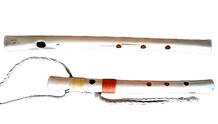
Canada, Greenland, Alaska (United States), Russia (Siberia/Chukotka) a small, whistle-like instrument made from the hollow wing bones of large birds, used for personal entertainment, mimicking animal calls, and spiritual communication during long winter months.
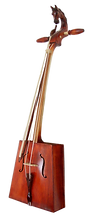
morin khuur
Mongolia, Russia (Buryatia, Kalmykia) a two-stringed bowed lute with a carved horse-head scroll and a trapezoidal body, used in traditional nomadic songs, storytelling, and spiritual rituals.
musical saw

United States, United Kingdom, Germany, France, Russia a hand-bent metal blade played with a bow, used in folk, experimental, and atmospheric film music.

pyzhatka
Russia, Ukraine a small wooden fipple flute with a waxed thread wound around the whistle mouthpiece to give it a distinctive hissing sound, used in shephard song and signaling, rural celebrations, and folk dances

qilaut
Canada, Greenland, Alaska, Russia (Chukotka Peninsula) a large, circular frame drum made of caribou skin or synthetic materials stretched over a wooden hoop, of the Inuit, Iñupiat, Yup'ik, and Indigenous peoples of the Chukotka Peninsula, used to accompany storytelling, ceremonial songs, and "drum dances (Kalaallit drum dancing)"
qobyz

Kazakhstan, Kyrgyzstan, Uzbekistan, Russia a bowed string instrument carved from a single piece of wood with an open resonator partially covered by skin, used by shamans for healing and spiritual communication, zhyrau epic storytellers.
Saami ritual drum

Norway (Lule Saami), Sweden (Ume Saami), Finland, Russia(Kola Peninsula/Sápmi region) (or meavrresgárri) a sacred frame drum with a reindeer-skin membrane decorated with cosmological symbols, used by Noaidi (shamans) to enter a trance, predict the future, and communicate with the spirit world.
sybyzgy

Kazakhstan, Kyrgyzstan, Uzbekistan, Russia a side-blown flute made from cane or wood, which produces a distinctive, often two-voiced melody (incorporating the musician's throat sound or "singing and playing"), used by nomadic herders for solitary entertainment and lyrical folk kyuis (instrumental pieces).
theramin

Russia, United States an early electronic instrument that uses two antennae to allow the player to control pitch and volume simply by moving their hands in the air without touching the device, used in horror film scores, avant-garde classical compositions, and psychedelic rock.

tovshuur
Mongolia, Russia (Republic of Kalmykia) a two-stringed, long-necked lute with a skin-covered trapezoidal sound box and a carved horse head at the top, used in epic singing (often throat singing) and folk melodies among nomadic peoples.
tsuur

Mongolia, Russia (Tuva Republic) a vertical, end-blown wooden flute with three fingerholes, played by simultaneously blowing into the pipe and performing a specialized vocal technique (khöömei or throat singing) to produce a clear whistle and a continuous drone, used in storytelling and mimicking the sounds of nature.
zhaleika
Russia, Ukraine, Belarus a small, single-reed woodwind instrument with a short wooden tube and a flared horn bell made of cow horn or birch bark, used in Russian folk songs and dance music.
Serbia

brač
Croatia, Serbia, Bosnia and Herzegovina a plucked string instrument shaped like a small guitar or large mandolin, used in tamburica orchestras, traditional folk dances, and choral ensembles
diple
Croatia, Bosnia and Herzegovina, Montenegro, Serbia, Slovenia a single-reed woodwind instrument with two parallel pipes bored into a single block of wood, can also be used as the "chanter" (the melodic pipe) of the traditional Balkan bagpipe, used in folk dances, shepherd melodies, and rural celebrations.
diplica
Croatia, Serbia, Bosnia and Hezegovina a single-reed "double clarinet" made from a single piece of wood with two parallel channels, used in folk dances, seasonal celebrations, and ceremonial music in rural ensembles.
dvoyanka
Bulgaria, North Macedonia, Serbia a double-channeled wooden flute carved from a single piece of wood that allows a soloist to play a melody and a drone simultaneously, used in shepherd calls and folk dances.
frula
Serbia, Croatia, Bosnia and Herzegovina, Montenegro, North macedonia a small wooden end-blown flute with finger holes, used by shepherds for pastoral improvisations and to lead the fast-paced kolo circle dances.
gusle
Serbia, Motenegro, Bosnia and Herzegovina, Croatia, Albania a single-stringed bowed instrument with a round, skin-covered resonator and a long neck, used to accompany long epic poems and traditional storytelling.
kaval
Bulgaria, North Macedonia, Turkey, Albania, Romania, Serbia, Greece a rim-blown chromatic flute with a long wooden body and eight finger holes, used in virtuosic dance tunes, mountain shepherd music,
Slovakia

cymbalom
Hungary, Romania, Slovakia, Czech Republic, Moldova a large, hammered dulcimer with a trapezoidal shape and metal strings stretched across its top, used in orchestral compositions, folk ensembles, and traditional wedding music.
dudy
Czech Republic, Poland, Slovakia, Germany, Austria a bellows-blown or mouth-blown bagpipe with a melodic chanter and a single long drone pipe with a carved wooden goat’s head, used for wedding dances, carnivals, and folk festivals.

fujara
Slovakia an very large, deep-timbered overtone flute with a "side-pipe" construction, one of the tallest flutes in the world, between 5 to 7 feet tall, used in solitary shepherd's music and traditional Slovak folk songs.
gajdy
Slovakia, Poland, Czech Republic a bagpipe native to the Carpathian Mountains with a large animal-skin bag and carved wooden pipes, used in shepherds' songs and winter solstice caroling.
heligonka
Czech Republic, Slovakia, Poland, Slovenia a button accordion with enhanced bass reeds that produce "tuba-like" sound, used in folk dances, weddings, and tavern songs.
konkovka
Slovakia, Czech Republic a long, end-blown overtone flute without finger holes that produces sound by varying breath pressure and opening or closing the bottom end, used in folk melodies and pastoral music of Shepherds in the Carpathian mountains.
sopilka
Ukraine, Belarus, Poland, Slovakia a wooden or plastic fipple flute with six to ten tone holes, used in folk music and dance ensembles.
tárogató
Hungary, Romania, Slovakia a single-reed woodwind instrument with a conical bore and a soprano-saxophone-like mouthpiece, used in Hungarian folk melodies, military bands, solo classical performances.
trembita
Ukraine, Poland, Slovakia, Romania an extremely long, conical natural wooden horn, used to transmit signals, perform ceremonial music, and accompany shepherds across long distances in the Carpathian Mountains.
Slovenia

brač
Croatia, Serbia, Bosnia and Herzegovina a plucked string instrument shaped like a small guitar or large mandolin, used in tamburica orchestras, traditional folk dances, and choral ensembles
hackbrett

Switzerland, Austria, Germany, Slovenia a trapezoidal hammered dulcimer dozens of metal strings, used in Alpine folk music, dance accompaniment, and contemporary chamber music.
heligonka
Czech Republic, Slovakia, Poland, Slovenia a button accordion with enhanced bass reeds that produce "tuba-like" sound, used in folk dances, weddings, and tavern songs.
Tuva (Russian Federation)
.png)
byzaanchy

Tuva (Russian Federation), Mongolia a four-stringed vertical fiddle with a wooden soundbox covered in goat or calf skin most famous for its "through-the-strings" playing style, where the bow hair is threaded between the four strings, allowing the player to produce a polyphonic drone and melody simultaneously, used in accompanying throat singing (khoomei), nomadic folk songs, and ritualistic performances.
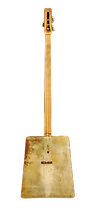
doshpuluur
Tuva (Southern Siberia), Mongolia a long-necked lute with a trapezoidal or kidney-shaped body, two or three strings and a skin-covered soundbox that gives it a percussive, banjo-like "thump" (often called the "Tuvan banjo"), used to accompany Tuvan throat singing (xöömei).

igil
Tuva (Russian Federation) a two-stringed bowed instrument with a carved horse-head scroll and a skin-covered soundbox, used to accompany throat singing and epic storytelling.
Ukraine

balalaika
Russia, Ukraine, Belarus a plucked string instrument with a triangular body and three strings (or occasionally six, tuned in pairs), used in in Russian folk music and folk orchestras.
bandura
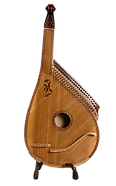
Ukraine a plucked string instrument hybrid of a zither and a lute with a flat, asymmetric wooden body and up to 60 metal or gut strings (both fretted and unfretted), the national instrument of Ukraine and used to accompany traditional Ukrainian folk music and singers.
bayan
Russia, Ukraine, Belarus a sophisticated chromatic button free-reed accordion, used in virtuoso classical, contemporary, and professional folk music performance.
domra
Russia, Ukraine, Belarus a long-necked lute with a round, bowl-shaped body and three or four metal strings, used in folk melodies, rapid-fire tremolo solos, and as a core member of the Russian folk orchestra.

drymba
Ukraine a small, metal jaw harp, used for solo folk melodies, rhythmic accompaniment, and traditional shepherd tunes.
gusli
Russia, Ukraine, Belarus a plucked psaltery-style instrument, used in traditional folk music, accompaniment for epic storytelling, and folk rituals.

kobza
Ukraine a short-necked, fretless lute with a deep, pear-shaped body and a "bent" pegbox that runs perpendicular to the neck, played with a long, flexible plectrum (traditionally a goose quill), traditional folk bands (taraf).
pyzhatka
Russia, Ukraine a small wooden fipple flute with a waxed thread wound around the whistle mouthpiece to give it a distinctive hissing sound, used in shephard song and signaling, rural celebrations, and folk dances
sopilka
Ukraine, Belarus, Poland, Slovakia a wooden or plastic fipple flute with six to ten tone holes, used in folk music and dance ensembles.
torban
Ukraine, Poland, Lithuania a large, elaborate lute with fretted melodic strings and many shorter bass strings (known as prystruńky) placed on the soundboard, used in Baroque and Romantic classical music and folk songs.
trembita
Ukraine, Poland, Slovakia, Romania an extremely long, conical natural wooden horn, used to transmit signals, perform ceremonial music, and accompany shepherds across long distances in the Carpathian Mountains.
tsymbaly
Belarus, Ukraine, Poland a hammered dulcimer with a trapezoidal soundbox and strings stretched over a bridge, played by striking the strings with two small hammers, used in Eastern European folk ensembles and classical music.
zhaleika
Russia, Ukraine, Belarus a small, single-reed woodwind instrument with a short wooden tube and a flared horn bell made of cow horn or birch bark, used in Russian folk songs and dance music.