


Argentina

bandoneon

Argentina, Uruguay a bellows-driven free-reed accordion in concertina family with a complex layout of buttons on both sides, used to created the distinctive sound of Tango music and Argentinian folk music.
bomba drum

Argentina,Bolivia, Chile, Peru, Colombia, Puerto Rico a deep, double-headed drum made from a hollowed tree trunk and covered with animal hides, used in puerto rican bomba music, andean folk music, military marches, and street parades

charango
Bolivia, Peru, Ecuador, Argentina, Chile a small, Andean ten-stringed lute made from the shell of an armadillo, used in Andean folk music, carnavalito dances, and nueva canción.

erke
Argentina, Bolivia, Chile a large, side-blown trumpet made of a long cane tube ending in a large horn or brass bell, used in ritual signaling and traditional festivities in the high Andes mountain region.
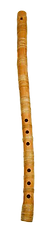
pinkillu
Peru, Bolivia, Chile, Ecuador, Argentina, an Andean fipple flute with a recorder-like mouthpiece and a cylindrical body, used to celebrate agricultural fertility and mark the arrival of the rainy season.

pututu
Peru, Bolivia, Ecuador, Argentina a natural trumpet made from a conch shell or an animal horn with a carved mouthpiece, used for signaling, community gathering, Quechua community rituals, Inti Raymi festival, and sacred Andean rituals.

quena
Peru, Bolivia, Ecuador, Chile, Argentina an end-blown vertical notched flute made of cane or wood with six finger holes, used in rhythmic Andean folk songs.

quenacho
Peru, Bolivia, Ecuador, Chile, Argentina a larger, lower-pitched version of the traditional Andean quena flute, a vertical end-blown flute with a notched mouthpiece, used in Andean folk music and contemporary Andean fusion.

ronroco
Bolivia, Argentina, Peru, Chile a large plucked lute with ten strings arranged in five courses, used for cinematic scores, folk melodies, and traditional Andean music, contemporary Andean fusion music, and Nueva Canción.

siku
Peru, Bolivia, Ecuador, Chile, Argentina a set of reed or bamboo tubes of varying lengths bound together, played by blowing across the top, used in Andean folk music and traditional ceremonial music.

tarka
Bolivia, Peru, Chile, Argentina a square or rectangular wooden duct flute made of bamboo or cane with six finger holes, used in Andean folk music and during festivals.
Bolivia

bandola

Venezuela, Colombia, Bolivia, Ecuador, Peru a plucked, pear-shaped string instrument with four to sixteen strings (in single or multiple courses), used in traditional Andean and Llanero folk music, such as Joropo, Pasillo, and Bambuco.
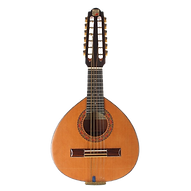
bandurria
Spain, Philippines, Bolivia, Peru, Andorra, Gibraltar a plucked string instrument with a pear-shaped body and twelve strings in six double courses, played with a plectrum, used in Spanish folk music, Zarzuela, and rondalla ensembles.
bomba drum
Argentina,Bolivia, Chile, Peru, Colombia, Puerto Rico a deep, double-headed drum made from a hollowed tree trunk and covered with animal hides, used in puerto rican bomba music, andean folk music, military marches, and street parades
charango
Bolivia, Peru, Ecuador, Argentina, Chile a small, Andean ten-stringed lute made from the shell of an armadillo, used in Andean folk music, carnavalito dances, and nueva canción.
erke
Argentina, Bolivia, Chile a large, side-blown trumpet made of a long cane tube ending in a large horn or brass bell, used in ritual signaling and traditional festivities in the high Andes mountain region.

moceno
Bolivia, Peru a large, wooden duct flute with a secondary tube that acts as a resonator, used in communal ensemble performances during agricultural festivals and rainy-season rituals, and Andean folk, and ceremonial music.
pinkillu
Peru, Bolivia, Chile, Ecuador, Argentina, an Andean fipple flute with a recorder-like mouthpiece and a cylindrical body, used to celebrate agricultural fertility and mark the arrival of the rainy season.
pututu
Peru, Bolivia, Ecuador, Argentina a natural trumpet made from a conch shell or an animal horn with a carved mouthpiece, used for signaling, community gathering, Quechua community rituals, Inti Raymi festival, and sacred Andean rituals.
quena
Peru, Bolivia, Ecuador, Chile, Argentina an end-blown vertical notched flute made of cane or wood with six finger holes, used in rhythmic Andean folk songs.
quenacho
Peru, Bolivia, Ecuador, Chile, Argentina a larger, lower-pitched version of the traditional Andean quena flute, a vertical end-blown flute with a notched mouthpiece, used in Andean folk music and contemporary Andean fusion.

quijada
Peru, Mexico, Cuba, Colombia, Ecuador, Bolivia, Dominican Republic, Belize, Bermuda a percussion instrument made from a dried donkey, horse, or cow jawbone with loose teeth that rattle when struck, used in Afro-Latin and folk music like Festejo and Son Jarocho.

rain stick
Chile, Peru, Mexico, Worldwide a long, hollow tube filled with small pebbles or seeds and fitted with internal pins or thorns that produce a gentle, rushing sound mimicking falling water when tilted, used in Andean folk music, world fusion music, relaxation, sound effects, and ancient agricultural ceremonies.
ronroco
Bolivia, Argentina, Peru, Chile a large plucked lute with ten strings arranged in five courses, used for cinematic scores, folk melodies, and traditional Andean music, contemporary Andean fusion music, and Nueva Canción.
siku
Peru, Bolivia, Ecuador, Chile, Argentina a set of reed or bamboo tubes of varying lengths bound together, played by blowing across the top, used in Andean folk music and traditional ceremonial music.
tarka
Bolivia, Peru, Chile, Argentina a square or rectangular wooden duct flute made of bamboo or cane with six finger holes, used in Andean folk music and during festivals.

wankara
Peru, Bolivia, Ecuador a large, double-headed cylindrical bass drum, struck with a padded stick, used in Andean folk music and ceremonial dances.
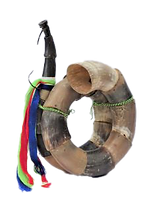
waqra phuku
Peru, Bolivia, Ecuador a natural trumpet made from several pieces of cattle horn joined together in a spiral shape, played in pairs by indigenous peoples in the Andes, used in annual fertility rituals and traditional stock-branding ceremonies.
whistling jars

Peru, Mexico, Ecuador ceramic vessels crafted in the shape of humans or animals and connected by an internal chamber, which make a bird-like or human-like whistling sound when water is poured into them or when air is quickly forced out by rapid tilting, used in sound effect design, pre-Columbian rituals and ceremonies.
Brazil

agogô

Brazil, Nigeria, Benin, Togo a percussion instrument with two or more conical metal bells of different sizes connected by a U-shaped handle, which is struck with a wooden stick, used in samba, capoeira, and Candomblé religious practices.

alfaia
Brazil a large wooden bass drum with rope tensioning, used in traditional ensemble, the Maracatu processions, carnivals, and folk celebrations.
ankle rattle

Worldwide, United States (Native American), Mexico a percussion instrument worn around the ankle that produces rhythmic jingling sounds, typically used to accompany dance and ceremonial performances.

atabaque
Brazil a tall, wooden hand drum made of Jacaranda wood staves and rope-tuned animal skin head, providing the essential rhythmic foundation for the Afro-Brazilian martial art of Capoeira and the religious ceremonies of Candomblé.

berimbau
Brazil, Angola a single-stringed musical bow with a resonator, used in martial arts-inspired music and folk dance (Capoeira).
cabasa

Cuba, Brazil, worldwide a percussion instrument with loops of steel ball chains wrapped around a wide, textured metal cylinder that is attached to a wooden or plastic handle, producing a sharp, metallic "scraping" or "shimmering" sound when the cylinder is rotated against the palm or shaken, used in Latin jazz, bossa nova, pop music, and music therapy.

cavaquinho
Portugal, Brazil, Cape Verde a small four-stringed plucked lute and direct ancestor of the ukulele, used in samba, choro, and various Portuguese folk traditions.
caxixi

Brazil, Cuba, Angola, Mozambique, Ghana, Nigeria, Benin a small woven flat-bottomed basket shaker filled with seeds or beads, used in capoeira, samba, and contemporary world music.

coconut rattles
Philippines, Indonesia, Brazil, Caribbean region, Oceania shaken percussion instruments made from dried coconut shells filled with seeds or beads, used in folk, ceremonial, and dance music.
cowbell

United States, Cuba, Dominican Republic, Puerto Rico, Brazil, West Africa a handheld or mounted metal idiophone that provides sharp rhythmic accents, used in Latin, funk, rock, and marching band music.
cuíca

Brazil a high-pitched friction drum with a bamboo stick attached to the center of its skin that the player rubs with a wet cloth to produce high-pitched, squeaky, or "laughing" tones, typically used in samba and carnival music.

mandolin
Italy, Ireland, Brazil, Gibraltar a small, plucked string instrument with eight strings tuned in four courses, used in western classical music, mandolin orchestras, and various folk traditions.
pandero

Brazil, Puerto Rico, Spain, Dominican Republic a frame drum with a tunable head and sometimes has cupped metal jingles that rattle, used in plena music, folk dances, martial arts accompaniment, and street festivals.
rabeca

Brazil, Portugal a bowed string instrument with a flat bridge and a deep body, used in rhythmic dance tunes, folk festivals, and regional styles like forró and fandango.

repinique
Brazil, Uruguay a high-pitched, double-headed drum that serves as the rhythmic "conductor" of the samba ensemble, used to signal rhythmic changes, lead call-and-response patterns, and perform virtuosic solos, Candombe traditions for Carnival, community samba schools and percussion troupes.
shekere
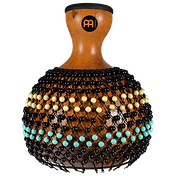
Nigeria, Ghana, Cuba, Brazil, Senegal, Mali a percussion instrument made from a dried, hollowed-out gourd covered in a woven net of beads, shells, or seeds functioning as both a shaker and a drum, used in traditional, Afrobeat, and ceremonial music.
surdo

Brazil a large, cylindrical bass drum with two heads, played with a large soft beater, used in samba and carnival music.

viola caipira
Brazil a ten-stringed, smaller relative of the classical guitar, used in Brazilian folk music, música caipira or country music, accompanying singers, and performing instrumental solos.
zabumba

Brazil a large, cylindrical, double-headed bass drum played with two different beaters (one with a soft, padded end and a stick or switch for the other end), used in Brazilian folk dances and Northeastern music genres like forró.
Chile

bomba drum
Argentina,Bolivia, Chile, Peru, Colombia, Puerto Rico a deep, double-headed drum made from a hollowed tree trunk and covered with animal hides, used in puerto rican bomba music, andean folk music, military marches, and street parades
charango
Bolivia, Peru, Ecuador, Argentina, Chile a small, Andean ten-stringed lute made from the shell of an armadillo, used in Andean folk music, carnavalito dances, and nueva canción.
erke
Argentina, Bolivia, Chile a large, side-blown trumpet made of a long cane tube ending in a large horn or brass bell, used in ritual signaling and traditional festivities in the high Andes mountain region.
pinkillu
Peru, Bolivia, Chile, Ecuador, Argentina, an Andean fipple flute with a recorder-like mouthpiece and a cylindrical body, used to celebrate agricultural fertility and mark the arrival of the rainy season.
quena
Peru, Bolivia, Ecuador, Chile, Argentina an end-blown vertical notched flute made of cane or wood with six finger holes, used in rhythmic Andean folk songs.
quenacho
Peru, Bolivia, Ecuador, Chile, Argentina a larger, lower-pitched version of the traditional Andean quena flute, a vertical end-blown flute with a notched mouthpiece, used in Andean folk music and contemporary Andean fusion.
rain stick
Chile, Peru, Mexico, Worldwide a long, hollow tube filled with small pebbles or seeds and fitted with internal pins or thorns that produce a gentle, rushing sound mimicking falling water when tilted, used in Andean folk music, world fusion music, relaxation, sound effects, and ancient agricultural ceremonies.
ronroco
Bolivia, Argentina, Peru, Chile a large plucked lute with ten strings arranged in five courses, used for cinematic scores, folk melodies, and traditional Andean music, contemporary Andean fusion music, and Nueva Canción.
siku
Peru, Bolivia, Ecuador, Chile, Argentina a set of reed or bamboo tubes of varying lengths bound together, played by blowing across the top, used in Andean folk music and traditional ceremonial music.
tarka
Bolivia, Peru, Chile, Argentina a square or rectangular wooden duct flute made of bamboo or cane with six finger holes, used in Andean folk music and during festivals.
Zampoña

Bolivia, Peru, Ecuador, Chile, Argentina an Andean panpipe with two separate rows of bamboo tubes that are tied together and played using a hocketing technique, used in communal folk music, highland festivals, and Latin American "Nueva Canción."
Colombia

bandola
Venezuela, Colombia, Bolivia, Ecuador, Peru a plucked, pear-shaped string instrument with four to sixteen strings (in single or multiple courses), used in traditional Andean and Llanero folk music, such as Joropo, Pasillo, and Bambuco.
bomba drum
Argentina,Bolivia, Chile, Peru, Colombia, Puerto Rico a deep, double-headed drum made from a hollowed tree trunk and covered with animal hides, used in puerto rican bomba music, andean folk music, military marches, and street parades
bongos

Cuba, Puerto Rico, Dominican Republic, Colombia a pair of small, open-bottomed drums of different sizes joined by a thick bridge that are played with the hands, used in salsa, afro-Cuban jazz, and latin pop genres

caja vallenata
Colombia a small, conical tension drum held between the knees and played with the bare hands, one of the three fundamental instruments of vallenato music (with the accordion and guacharaca), also used in folk dances, storytelling songs.
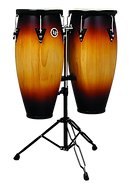
congas
Cuba, Puerto Rico, Colombia, Dominican Republic, British Virgin Islands tall, narrow single-headed drums played with the hands, used in Afro-Cuban, salsa, and Latin jazz music.
cuatro

Venezuela, Puerto Rico, Cuba Colombia, Trinidad and Tobago, Aruba, Curaçao, and Bonaire, Antigua and Barbuda, Barbados a small, four-stringed or ten-string guitar-like instrument, used in genres such as música jíbara, joropo, parang, and salsa.

maracas
Venezuela, Colombia, Cuba, Puerto Rico, Trinidad and Tobago, Anguilla, Antigua and Barbuda, Barbados, British Virgin Islands, Cayman Islands a pair of shaken percussion instruments made of hollowed-out shells filled with small pebbles or seeds, used in Latin jazz, salsa, Joropo, various other Latin/Caribbean folk genres, orchestral, and pop music genres.
quijada
Peru, Mexico, Cuba, Colombia, Ecuador, Bolivia, Dominican Republic, Belize, Bermuda a percussion instrument made from a dried donkey, horse, or cow jawbone with loose teeth that rattle when struck, used in Afro-Latin and folk music like Festejo and Son Jarocho.

requinto
Mexico, Spain, Puerto Rico, Colombia, Ecuador a small, guitar-like stringed instrument, used in Bolero, "Trío Romántico" style, Jíbaro music, tuna ensembles, Bambuco and Guabina music, and Pasillo music.
rondador

Equador, Colombia a set of chorded panpipes made from cane or condor feathers where adjacent tubes are tuned to different intervals, allowing the player to perform the melody and harmony simultaneously, used in Sanjuanito music, festivals, and indigenous celebrations.
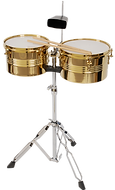
timbales
Cuba, Puerto Rico, Venezuela, Colombia a pair of shallow, single-headed metal shell drums, mounted on a stand and played with thin sticks, used in Cuban danzón, mambo, and Salsa music.
Ecuador

bandola
Venezuela, Colombia, Bolivia, Ecuador, Peru a plucked, pear-shaped string instrument with four to sixteen strings (in single or multiple courses), used in traditional Andean and Llanero folk music, such as Joropo, Pasillo, and Bambuco.
charango
Bolivia, Peru, Ecuador, Argentina, Chile a small, Andean ten-stringed lute made from the shell of an armadillo, used in Andean folk music, carnavalito dances, and nueva canción.
pinkillu
Peru, Bolivia, Chile, Ecuador, Argentina, an Andean fipple flute with a recorder-like mouthpiece and a cylindrical body, used to celebrate agricultural fertility and mark the arrival of the rainy season.
pututu
Peru, Bolivia, Ecuador, Argentina a natural trumpet made from a conch shell or an animal horn with a carved mouthpiece, used for signaling, community gathering, Quechua community rituals, Inti Raymi festival, and sacred Andean rituals.
quena
Peru, Bolivia, Ecuador, Chile, Argentina an end-blown vertical notched flute made of cane or wood with six finger holes, used in rhythmic Andean folk songs.
quenacho
Peru, Bolivia, Ecuador, Chile, Argentina a larger, lower-pitched version of the traditional Andean quena flute, a vertical end-blown flute with a notched mouthpiece, used in Andean folk music and contemporary Andean fusion.
quijada
Peru, Mexico, Cuba, Colombia, Ecuador, Bolivia, Dominican Republic, Belize, Bermuda a percussion instrument made from a dried donkey, horse, or cow jawbone with loose teeth that rattle when struck, used in Afro-Latin and folk music like Festejo and Son Jarocho.
requinto
Mexico, Spain, Puerto Rico, Colombia, Ecuador a small, guitar-like stringed instrument, used in Bolero, "Trío Romántico" style, Jíbaro music, tuna ensembles, Bambuco and Guabina music, and Pasillo music.
rondador
Equador, Colombia a set of chorded panpipes made from cane or condor feathers where adjacent tubes are tuned to different intervals, allowing the player to perform the melody and harmony simultaneously, used in Sanjuanito music, festivals, and indigenous celebrations.
siku
Peru, Bolivia, Ecuador, Chile, Argentina a set of reed or bamboo tubes of varying lengths bound together, played by blowing across the top, used in Andean folk music and traditional ceremonial music.
wankara
Peru, Bolivia, Ecuador a large, double-headed cylindrical bass drum, struck with a padded stick, used in Andean folk music and ceremonial dances.
waqra phuku
Peru, Bolivia, Ecuador a natural trumpet made from several pieces of cattle horn joined together in a spiral shape, played in pairs by indigenous peoples in the Andes, used in annual fertility rituals and traditional stock-branding ceremonies.
whistling jars
Peru, Mexico, Ecuador ceramic vessels crafted in the shape of humans or animals and connected by an internal chamber, which make a bird-like or human-like whistling sound when water is poured into them or when air is quickly forced out by rapid tilting, used in sound effect design, pre-Columbian rituals and ceremonies.
Falkland Islands

irish tin whistle

Ireland, United Kingdom, United States, Falkland Islands a simple six-holed fipple flute with a plastic or metal mouthpiece and a cylindrical tube, used in fast-paced melodies in traditional folk music, jigs, reels, contemporary folk, and film music. Often called the "penny whistle".

bodhrán
Ireland, Canada (Newfoundland), Falkland Islands a circular frame drum played with the hands or a double-headed wooden mallet called a tipper, used in folk, traditional ensemble music, and lively dance tunes.
spoons

United States, Ireland, Canada, United Kingdom, Falkland Islands a simple percussion instrument consisting of two ordinary spoons clapped together, used in folk music and jug bands.
French Guiana

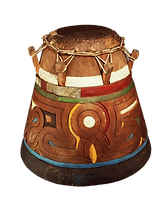
Apinti
Suriname, French Guiana a single-headed, goblet-shaped talking drum carved from a single log and covered with a deerskin or goatskin head, used in religious ancestral ceremonies (Winti) and Kaseko music.
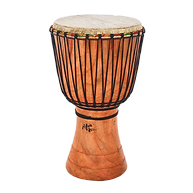
djembe
Guinea, Mali, Senegal, Côte d'Ivoire, Burkina faso, Worldwide (Popular Music), French Guiana a rope-tuned, goblet-shaped drum carved from a single piece of hardwood and topped with a rawhide skin, used in social dances, ceremonies, and communal gatherings, contemporary world fusion genres.
Ti-Bwa

French Guiana, Martinique a percussion instrument with a horizontal piece of bamboo or wood mounted on a stand, used in Bèlè music
güira

Dominican Republic, Anguilla, Cayman Islands, French Guiana a metal percussion instrument with a textured steel cylinder that is scraped with a multi-tine metal brush, used in Dominican music and dance-oriented genres like merengue and bachata.
Guyana


steel pan
Trinidad and Tobago, Barbados, Jamaica, Guyana, Anguilla, Antigua and Barbuda, Bermuda, Turks and Caicos Island a percussion instrument tuned from the bottom of an oil barrel, used in calypso, soca, and steel band ensembles.

sitar
India, Pakistan, Bangladesh, Nepal a long-necked plucked string instrument with a large gourd resonator and movable frets, used in Hindustani classical music, Bollywood film scores, world fusion music, and psychedelic rock fusion.
Paraguay

Paraguayan harp
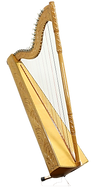
Paraguay, Argentina, Brazil a lightweight, diatonic harp with 32 to 46 nylon strings and a centrally-strung neck that is played with the fingernails, used in folk music such as the polca paraguaya and guarania.
Peru

bandola
Venezuela, Colombia, Bolivia, Ecuador, Peru a plucked, pear-shaped string instrument with four to sixteen strings (in single or multiple courses), used in traditional Andean and Llanero folk music, such as Joropo, Pasillo, and Bambuco.
bandurria
Spain, Philippines, Bolivia, Peru, Andorra, Gibraltar a plucked string instrument with a pear-shaped body and twelve strings in six double courses, played with a plectrum, used in Spanish folk music, Zarzuela, and rondalla ensembles.
bomba drum
Argentina,Bolivia, Chile, Peru, Colombia, Puerto Rico a deep, double-headed drum made from a hollowed tree trunk and covered with animal hides, used in puerto rican bomba music, andean folk music, military marches, and street parades
cajon

Peru, Cuba, Worldwide (popular music) a box-shaped percussion instrument played by sitting on top and striking its front surface with the hands, used in flamenco, Afro-Peruvian (originally developed by enslaved Africans in colonial Peru), and contemporary acoustic music, and world fusion.
charango
Bolivia, Peru, Ecuador, Argentina, Chile a small, Andean ten-stringed lute made from the shell of an armadillo, used in Andean folk music, carnavalito dances, and nueva canción.
erke
Argentina, Bolivia, Chile a large, side-blown trumpet made of a long cane tube ending in a large horn or brass bell, used in ritual signaling and traditional festivities in the high Andes mountain region.
moceno
Bolivia, Peru a large, wooden duct flute with a secondary tube that acts as a resonator, used in communal ensemble performances during agricultural festivals and rainy-season rituals, and Andean folk, and ceremonial music.
pinkillu
Peru, Bolivia, Chile, Ecuador, Argentina, an Andean fipple flute with a recorder-like mouthpiece and a cylindrical body, used to celebrate agricultural fertility and mark the arrival of the rainy season.
pututu
Peru, Bolivia, Ecuador, Argentina a natural trumpet made from a conch shell or an animal horn with a carved mouthpiece, used for signaling, community gathering, Quechua community rituals, Inti Raymi festival, and sacred Andean rituals.
quena
Peru, Bolivia, Ecuador, Chile, Argentina an end-blown vertical notched flute made of cane or wood with six finger holes, used in rhythmic Andean folk songs.
quenacho
Peru, Bolivia, Ecuador, Chile, Argentina a larger, lower-pitched version of the traditional Andean quena flute, a vertical end-blown flute with a notched mouthpiece, used in Andean folk music and contemporary Andean fusion.
quijada
Peru, Mexico, Cuba, Colombia, Ecuador, Bolivia, Dominican Republic, Belize, Bermuda a percussion instrument made from a dried donkey, horse, or cow jawbone with loose teeth that rattle when struck, used in Afro-Latin and folk music like Festejo and Son Jarocho.
rain stick
Chile, Peru, Mexico, Worldwide a long, hollow tube filled with small pebbles or seeds and fitted with internal pins or thorns that produce a gentle, rushing sound mimicking falling water when tilted, used in Andean folk music, world fusion music, relaxation, sound effects, and ancient agricultural ceremonies.
ronroco
Bolivia, Argentina, Peru, Chile a large plucked lute with ten strings arranged in five courses, used for cinematic scores, folk melodies, and traditional Andean music, contemporary Andean fusion music, and Nueva Canción.
siku
Peru, Bolivia, Ecuador, Chile, Argentina a set of reed or bamboo tubes of varying lengths bound together, played by blowing across the top, used in Andean folk music and traditional ceremonial music.
tarka
Bolivia, Peru, Chile, Argentina a square or rectangular wooden duct flute made of bamboo or cane with six finger holes, used in Andean folk music and during festivals.
wankara
Peru, Bolivia, Ecuador a large, double-headed cylindrical bass drum, struck with a padded stick, used in Andean folk music and ceremonial dances.
waqra phuku
Peru, Bolivia, Ecuador a natural trumpet made from several pieces of cattle horn joined together in a spiral shape, played in pairs by indigenous peoples in the Andes, used in annual fertility rituals and traditional stock-branding ceremonies.
whistling jars
Peru, Mexico, Ecuador ceramic vessels crafted in the shape of humans or animals and connected by an internal chamber, which make a bird-like or human-like whistling sound when water is poured into them or when air is quickly forced out by rapid tilting, used in sound effect design, pre-Columbian rituals and ceremonies.
Suriname

Apinti
Suriname, French Guiana a single-headed, goblet-shaped talking drum carved from a single log and covered with a deerskin or goatskin head, used in religious ancestral ceremonies (Winti) and Kaseko music.
Uruguay

bandoneon
Argentina, Uruguay a bellows-driven free-reed accordion in concertina family with a complex layout of buttons on both sides, used to created the distinctive sound of Tango music and Argentinian folk music.
repinique
Brazil, Uruguay a high-pitched, double-headed drum that serves as the rhythmic "conductor" of the samba ensemble, used to signal rhythmic changes, lead call-and-response patterns, and perform virtuosic solos, Candombe traditions for Carnival, community samba schools and percussion troupes.
Venezuela

bandola
Venezuela, Colombia, Bolivia, Ecuador, Peru a plucked, pear-shaped string instrument with four to sixteen strings (in single or multiple courses), used in traditional Andean and Llanero folk music, such as Joropo, Pasillo, and Bambuco.
cuatro
Venezuela, Puerto Rico, Cuba Colombia, Trinidad and Tobago, Aruba, Curaçao, and Bonaire, Antigua and Barbuda, Barbados a small, four-stringed or ten-string guitar-like instrument, used in genres such as música jíbara, joropo, parang, and salsa.
maracas
Venezuela, Colombia, Cuba, Puerto Rico, Trinidad and Tobago, Anguilla, Antigua and Barbuda, Barbados, British Virgin Islands, Cayman Islands a pair of shaken percussion instruments made of hollowed-out shells filled with small pebbles or seeds, used in Latin jazz, salsa, Joropo, various other Latin/Caribbean folk genres, orchestral, and pop music genres.
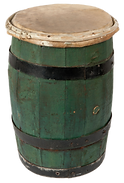
tambú
Curaçao, Bonaire, Aruba, Venezuela a single-headed, cylindrical hand drum made from a hollowed-out tree trunk and covered with goat skin, used in Afro-Caribbean music and dance style that shares its name.
timbales
Cuba, Puerto Rico, Venezuela, Colombia a pair of shallow, single-headed metal shell drums, mounted on a stand and played with thin sticks, used in Cuban danzón, mambo, and Salsa music.