


afghanistan

dayereh

Iran, Azerbaijan, Uzbekistan, Tajikistan, Afghanistan a medium-sized frame drum featuring a series of metal rings or jingles attached to the inner rim, used in social gatherings, classical poetry recitals, and traditional wedding music.
doira

Uzbekistan, Tajikistan, Afghanistan, Turkmenistan a frame drum with metal rings or "jingles" attached to the interior of a wooden rim, used in folk dances, weddings, and classical maqam music.
dombra

Kazakhstan, Uzbekistan, Afghanistan, Mongolia, Kyrgyzstan, Russia, Tajikistan a long-necked lute with two strings, featuring a pear-shaped body and a slender neck, used in perform "kuys" (epic instrumental poems) that capture the spirit and history of the Central Asian grasslands.
dutar

Uzbekistan, Turkmenistan, Afghanistan, Iran, Tajikistan, China (Uygher) a long-necked, two-stringed lute with a large pear-shaped resonator, used in epic narrative poetry, classical maqams, and intimate folk songs.
ghaychak

Iran, Afghanistan, Pakistan a bowed string instrument with a double-chambered, skin-covered body, short neck, and metal or gut strings, used in traditional folk music, classical ensembles, and spiritual rituals.
ghijek

Uzbekistan, Tajikistan, China (Uyghur), Turkmenistan, Afghanistan a bowed string instrument with a small, round soundbox covered with a skin membrane and a long neck, used in folk songs, classical Maqam suites, and instrumental storytelling.
rawap

China (Uyghur), Afghanistan, Tajikistan, Uzbekistan a long-necked plucked lute with a small, skin-covered round body and lateral horns at the base of the neck, used in virtuosic solo performances and folk dance music.

naqareh
Iran, India, Pakistan, Turkey, Azerbaijan, Uzbekistan, Turkmenistan, Afghanistan a pair of kettle-shaped drums made of clay, wood, or metal and covered with hide and played with sticks, used in the "Naqareh-khaneh" to announce the sunrise and sunset, Naubat ensembles, royal processions, military fanfares, and traditional festive music.
rebab

Indonesia, Malaysia, Afghanistan, Egypt, Turkey, Morocco a bowed string instrument with a small, rounded body covered by a parchment or skin membrane and a long, slender neck, used in Gamelan orchestras, Mak Yong dance drama, classical court music, classical Arabic music, Andalusian classical music, Sufi devotional music, and Ottoman classical traditions.

rubab
Afghanistan, Pakistan, Tajikistan a short-necked, plucked lute with a "waisted" body carved from a single piece of wood and a goat skin-covered resonator, used in classical art music, Pashtun music traditions, and traditional folk suites.

sarinda
India, Pakistan, Afghanistan, Bangladesh a bowed string instrument with a deeply waisted wooden body and a partially open soundbox, used in folk music, Sufi poetry, tribal dance, Baul music, and devotional songs.
setar

Iran, Afghanistan, Tajikistan, Uzbekistan a long-necked lute with a pear-shaped body, fingerboard with 25 to 28 movable frets, and four strings, used in Persian classical music, prized for its intimacy and its ability to convey deep "hal" (a state of musical ecstasy).
Algeria


bendir
Morocco, Algeria, Tunisia, Libya, Egypt a circular frame drum with a wooden rim, a skin head, and internal snares,used in folk, traditional, celebration music, and spiritual Sufi rituals.

gasba
Morocco, Algeria, Tunisia, Libya a long, end-blown reed flute, used in folk genres like bedouin music and the early roots of rai.
imzad

Algeria, Mali, Niger a single-stringed bowed fiddle made from a halved calabash gourd and a leather soundboard, used in poetic songs and storytelling in desert social gatherings.
kwitra

Algeria a traditional four-course pear-shaped lute with a short, fretless neck, used in Algerian Andalusian classical music.

magrouna
Tunisia, Algeria, Libya, Egypt a double-piped reed instrument featuring two parallel cane tubes, two small "idioglottal" reeds (slits cut directly into smaller pieces of cane), and two upturned animal horn bells, used in pastoral melodies, wedding celebrations, and traditional folk dances.
mizwad

Tunisia, Algeria, Libya a bagpipe with a leather reservoir and a double chanter with cow-horn bells, used in folk dances and celebratory social music.
qraqeb

Morocco, Algeria, Tunisia, Libya large, heavy metal castanets held in each hand with two circular plates connected by a thin bar, used in trance-inducing rituals of Gnawa music, Lila healing ceremonies, Diwane musical traditions, and Stambeli music.
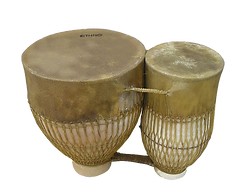
tbilat
Algeria, Mali, Niger, Libya, Burkina Faso a pair of small, hourglass-shaped hand drums, used in Tuareg folk music and social dances.
tidinit

Mauritania, Mali, Algeria a small, four-stringed, plucked lute with a skin soundboard and a rectangular wooden body, used by griots (professional musicians/storytellers), in vocal narratives, and praise singing in West African folk music.
Bahrain

ney-anbān

Iran, Oman, United Aran Emirates, Bahrain, Kuwait a bellows-less bagpipe with a goatskin reservoir and a double-pipe chanter, used in folk dances and celebratory social gatherings.
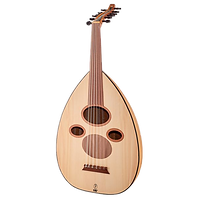
oud
Iraq, Iran, Palestine, Syria, Lebanon, Egypt, Morocco, Turkey, Armenia, Bahrain, Djibouti a short-necked, pear-shaped lute with a large vaulted back and eleven or thirteen strings, used in classical Arabic music, Ottoman classical music, folk ensembles, and cinematic scores.
Cyprus


bouzouki
Greece, Cyprus a long-necked, pear-shaped lute with a round bowl back and metal strings, used in greek urban folk music (rebetiko).
floyera

Greece, Cyprus, North Macedonia a shepherd's end-blown flute made from a single piece of wood, cane, or bone, used in folk and pastoral music for melodic and ceremonial purposes.
daouli

Greece, Cyprus a large, two-headed cylindrical drum played with two different sticks, used in outdoor folk dances and village festivals.

laouto
Greece, Cyprus a long-necked lute with double-coursed metal strings and a large pear-shaped body, used in traditional Cretan ensemble music.

tzouras
Greece, Turkey, Cyprus a plucked string instrument (a smaller version of the Greek bouzouki) with a pear-shaped body, a long neck, and three or four pairs of metal strings, used in Greek folk music (especially the Rebetiko genre).
Egypt

arghul

Egypt, Palestine, Lebanon, Syria, Jordan an ancient, single-reed wind instrument with two detachable pipes of unequal length played simultaneously (one drone, one melody pipe), used for folk dances and wedding music.
bendir
Morocco, Algeria, Tunisia, Libya, Egypt a circular frame drum with a wooden rim, a skin head, and internal snares,used in folk, traditional, celebration music, and spiritual Sufi rituals.

darbuka
Egypt, Turkey, Lebanon, Syria, Iraq, Morocco, Tunisia a goblet-shaped hand drum with a single head, used in belly dance, folk celebrations, and Middle Eastern pop music.

kawala
Egypt an end-blown bamboo flute with six finger holes and a hollow, open-ended body, used in classical Middle Eastern music, and rhythmic accompaniment in weddings, festivals, and rural gatherings.
magrouna
Tunisia, Algeria, Libya, Egypt a double-piped reed instrument featuring two parallel cane tubes, two small "idioglottal" reeds (slits cut directly into smaller pieces of cane), and two upturned animal horn bells, used in pastoral melodies, wedding celebrations, and traditional folk dances.

mazhar
Egypt a large, heavy, and deep-toned frame drum with several sets of oversized brass jingles embedded in the frame, used primarily in Egyptian Zaffa (wedding march), and Sufi religious ceremonies.

mizmar
Egypt, Lebanon, Syria, Palestine, Jordan, Iraq, Sudan, Yemen, Saudi Arabia a double-reed wind instrument with a conical bore and a flared bell, used in folk dances, Sa'idi folk music, outdoor festivals, and traditional wedding processions.

ney
Turkey, Iran, Egypt, Iraq, Syria an end-blown flute made of a hollow cane with five or six finger holes, used in ottoman classical art music, Sufi spiritual ceremonies, Takht ensemble, Arabic classical music and traditional folk ensembles.
oud
Iraq, Iran, Palestine, Syria, Lebanon, Egypt, Morocco, Turkey, Armenia, Bahrain, Djibouti a short-necked, pear-shaped lute with a large vaulted back and eleven or thirteen strings, used in classical Arabic music, Ottoman classical music, folk ensembles, and cinematic scores.
rebab
Indonesia, Malaysia, Afghanistan, Egypt, Turkey, Morocco a bowed string instrument with a small, rounded body covered by a parchment or skin membrane and a long, slender neck, used in Gamelan orchestras, Mak Yong dance drama, classical court music, classical Arabic music, Andalusian classical music, Sufi devotional music, and Ottoman classical traditions.

qānūn
Turkey, Lebanon, Syria, Iraq, Egypt, Armenia, Azerbaijan a flat, trapezoidal zither with a system of small metal levers and dozens of strings stretched over a wooden soundboard, used in classical and traditional Middle Eastern ensembles such as the Takht ensemble, Levant’s musical heritage, Maqam tradition, Rebetiko, and traditional folk music of Asia Minor .
riq

Egypt, Syria, Lebanon, Turkey, Iraq, Jordan, Morocco a small tambourine with a fish-skin or synthetic head and heavy brass cymbals, used in classical Arabic music, folk dances, and traditional Takht ensembles.
sagat

Egypt, Turkey, Lebanon, Syria a pair of small, circular brass finger cymbals worn on each hand each hand, used in belly dance performances, Levantine cabaret, and Egyptian folk music, traditional percussion ensembles, and modern fusion music.
sistrum

Egypt (Ancient Egypt), Greece (Ancient Greece), Ethiopia, Sudan a U-shaped metal rattle with movable crossbars and jingling discs that, used in religious ceremonies and temple rituals.
zukra

Libya, Egypt a double-chanter bagpipe or double-clarinet instrument with two parallel pipes with single reeds and capped with two cow horns, used in rhythmic folk music genres and social events like feasts, weddings, and funerals.
Iran

barbat

Iran a plucked short-necked lute carved from a single piece of wood, used in traditional Persian music (Dastgah system) and poetry recitation.

davul
Turkey, Bulgaria, North Macedonia, Albania, Azerbijan, Iran a large, double-headed cylindrical drum played with two different beaters, used for leading outdoor processions, Anatolian folk music and folk dances, and wedding celebrations.
dayereh
Iran, Azerbaijan, Uzbekistan, Tajikistan, Afghanistan a medium-sized frame drum featuring a series of metal rings or jingles attached to the inner rim, used in social gatherings, classical poetry recitals, and traditional wedding music.
doira
Uzbekistan, Tajikistan, Afghanistan, Turkmenistan, Iran a frame drum with metal rings or "jingles" attached to the interior of a wooden rim, used in folk dances, weddings, and classical maqam music.
dutar
Uzbekistan, Turkmenistan, Afghanistan, Iran, Tajikistan, China (Uygher) a long-necked, two-stringed lute with a large pear-shaped resonator, used in epic narrative poetry, classical maqams, and intimate folk songs.
ghaychak
Iran, Afghanistan, Pakistan a bowed string instrument with a double-chambered, skin-covered body, short neck, and metal or gut strings, used in traditional folk music, classical ensembles, and spiritual rituals.

kamancha
Iran, Azerbaijan, Armenia, Uzbekistan, Turkmenistan a four-stringed spike fiddle with a small, spherical resonator and a long neck, used in Persian classical court music and traditional folk ensembles.

karnay
Uzbekistan, Tajikistan, Kazakhstan, Iran a long, straight brass or copper trumpet with a flared bell, used in outdoor ceremonial fanfares, royal processions, and signaling the start of public festivities.

kemenche
Turkey, Greece, Armenia, Iran a small, bottle-shaped bowed string instrument with a wooden body and a skin-covered or thin wooden resonato, used in fast-paced Horon dances of the Black Sea coast, and traditional vocal accompaniment.
naqareh
Iran, India, Pakistan, Turkey, Azerbaijan, Uzbekistan, Turkmenistan, Afghanistan a pair of kettle-shaped drums made of clay, wood, or metal and covered with hide and played with sticks, used in the "Naqareh-khaneh" to announce the sunrise and sunset, Naubat ensembles, royal processions, military fanfares, and traditional festive music.
ney
Turkey, Iran, Egypt, Iraq, Syria an end-blown flute made of a hollow cane with five or six finger holes, used in ottoman classical art music, Sufi spiritual ceremonies, Takht ensemble, Arabic classical music and traditional folk ensembles.
ney-anbān
Iran, Oman, United Aran Emirates, Bahrain, Kuwait a bellows-less bagpipe with a goatskin reservoir and a double-pipe chanter, used in folk dances and celebratory social gatherings.
oud
Iraq, Iran, Palestine, Syria, Lebanon, Egypt, Morocco, Turkey, Armenia, Bahrain, Djibouti a short-necked, pear-shaped lute with a large vaulted back and eleven or thirteen strings, used in classical Arabic music, Ottoman classical music, folk ensembles, and cinematic scores.
santur
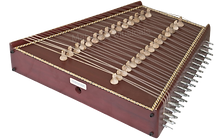
Iran, Iraq a trapezoidal hammered dulcimer with 72 or more metal strings stretched over small wooden bridges that are struck with lightweight wooden mallets, used in classical art music and modal improvisations.

saz
Turkey, Azerbaijan, Iran, Armenia, Bosnia, Albania Greece a long-necked, plucked lute with a deep, pear-shaped body and movable frets, used in folk storytelling, Ashiq minstrels to accompany epic poems, troubadour music, and Sufi poetry.
setar
Iran, Afghanistan, Tajikistan, Uzbekistan a long-necked lute with a pear-shaped body, fingerboard with 25 to 28 movable frets, and four strings, used in Persian classical music, prized for its intimacy and its ability to convey deep "hal" (a state of musical ecstasy).
tar

Iran, Azerbaijan, Georgia, Armenia a long-necked, plucked string instrument with a figure-eight shaped body covered in a stretched membrane, which plays the main melodic line, used in Persian classical music and Azerbaijani folk music.

tombak
Iran a goblet-shaped wooden drum, covered with goatskin, used in Persian classical and contemporary music.

zurna
Turkey, Azerbaijan, Armenia, Greece, Iran double-reed woodwind instrument with a broad conical bore and a wide bell, used in Turkish folk dances, weddings, and public celebrations.
Iraq


buzuq
Lebanon, Syria, Palestine, Jordan a long-necked, fretted lute with movable frets, which allow the player to achieve the precise microtonal intervals (quarter-tones), used in Arabic maqam music, Levantine folk dances (dabke), and soulful solo improvisations (taqsim).
darbuka
Egypt, Turkey, Lebanon, Syria, Iraq, Morocco, Tunisia a goblet-shaped hand drum with a single head, used in belly dance, folk celebrations, and Middle Eastern pop music.
mizmar
Egypt, Lebanon, Syria, Palestine, Jordan, Iraq, Sudan, Yemen, Saudi Arabia a double-reed wind instrument with a conical bore and a flared bell, used in folk dances, Sa'idi folk music, outdoor festivals, and traditional wedding processions.
ney
Turkey, Iran, Egypt, Iraq, Syria an end-blown flute made of a hollow cane with five or six finger holes, used in ottoman classical art music, Sufi spiritual ceremonies, Takht ensemble, Arabic classical music and traditional folk ensembles.
oud
Iraq, Iran, Palestine, Syria, Lebanon, Egypt, Morocco, Turkey, Armenia, Bahrain, Djibouti a short-necked, pear-shaped lute with a large vaulted back and eleven or thirteen strings, used in classical Arabic music, Ottoman classical music, folk ensembles, and cinematic scores.
qānūn
Turkey, Lebanon, Syria, Iraq, Egypt, Armenia, Azerbaijan a flat, trapezoidal zither with a system of small metal levers and dozens of strings stretched over a wooden soundboard, used in classical and traditional Middle Eastern ensembles such as the Takht ensemble, Levant’s musical heritage, Maqam tradition, Rebetiko, and traditional folk music of Asia Minor .
riq
Egypt, Syria, Lebanon, Turkey, Iraq, Jordan, Morocco a small tambourine with a fish-skin or synthetic head and heavy brass cymbals, used in classical Arabic music, folk dances, and traditional Takht ensembles.
santur
Iran, Iraq a trapezoidal hammered dulcimer with 72 or more metal strings stretched over small wooden bridges that are struck with lightweight wooden mallets, used in classical art music and modal improvisations.
Israel

shofar

Israel, Yemen, United States, Europe Diaspora an natural horn instrument made from a ram's horn, used to sound specific calls during Jewish religious ceremonies and holidays like Rosh Hashanah and Yom Kippur.
Jordan

buzuq
Lebanon, Syria, Palestine, Jordan a long-necked, fretted lute with movable frets, which allow the player to achieve the precise microtonal intervals (quarter-tones), used in Arabic maqam music, Levantine folk dances (dabke), and soulful solo improvisations (taqsim).
mizmar
Egypt, Lebanon, Syria, Palestine, Jordan, Iraq, Sudan, Yemen, Saudi Arabia a double-reed wind instrument with a conical bore and a flared bell, used in folk dances, Sa'idi folk music, outdoor festivals, and traditional wedding processions.
oud
Iraq, Iran, Palestine, Syria, Lebanon, Egypt, Morocco, Turkey, Armenia, Bahrain, Djibouti a short-necked, pear-shaped lute with a large vaulted back and eleven or thirteen strings, used in classical Arabic music, Ottoman classical music, folk ensembles, and cinematic scores.
riq
Egypt, Syria, Lebanon, Turkey, Iraq, Jordan, Morocco a small tambourine with a fish-skin or synthetic head and heavy brass cymbals, used in classical Arabic music, folk dances, and traditional Takht ensembles.
Kuwait

ney-anbān
Iran, Oman, United Aran Emirates, Bahrain, Kuwait a bellows-less bagpipe with a goatskin reservoir and a double-pipe chanter, used in folk dances and celebratory social gatherings.
kirar

Ethiopia, Eritrea, Djibouti a five- or six-stringed bowl-shaped lyre with a with a triangular string frame, and wooden resonator covered with a stretched animal hide, used in traditional songs, epic storytelling, and contemporary East African pop and jazz.
Lebanon

arghul
Egypt, Palestine, Lebanon, Syria, Jordan an ancient, single-reed wind instrument with two detachable pipes of unequal length played simultaneously (one drone, one melody pipe), used for folk dances and wedding music.
buzuq
Lebanon, Syria, Palestine, Jordan a long-necked, fretted lute with movable frets, which allow the player to achieve the precise microtonal intervals (quarter-tones), used in Arabic maqam music, Levantine folk dances (dabke), and soulful solo improvisations (taqsim).
darbuka
Egypt, Turkey, Lebanon, Syria, Iraq, Morocco, Tunisia a goblet-shaped hand drum with a single head, used in belly dance, folk celebrations, and Middle Eastern pop music.
mizmar
Egypt, Lebanon, Syria, Palestine, Jordan, Iraq, Sudan, Yemen, Saudi Arabia a double-reed wind instrument with a conical bore and a flared bell, used in folk dances, Sa'idi folk music, outdoor festivals, and traditional wedding processions.
oud
Iraq, Iran, Palestine, Syria, Lebanon, Egypt, Morocco, Turkey, Armenia, Bahrain, Djibouti a short-necked, pear-shaped lute with a large vaulted back and eleven or thirteen strings, used in classical Arabic music, Ottoman classical music, folk ensembles, and cinematic scores.
qānūn
Turkey, Lebanon, Syria, Iraq, Egypt, Armenia, Azerbaijan a flat, trapezoidal zither with a system of small metal levers and dozens of strings stretched over a wooden soundboard, used in classical and traditional Middle Eastern ensembles such as the Takht ensemble, Levant’s musical heritage, Maqam tradition, Rebetiko, and traditional folk music of Asia Minor .
riq
Egypt, Syria, Lebanon, Turkey, Iraq, Jordan, Morocco a small tambourine with a fish-skin or synthetic head and heavy brass cymbals, used in classical Arabic music, folk dances, and traditional Takht ensembles.
sagat
Egypt, Turkey, Lebanon, Syria a pair of small, circular brass finger cymbals worn on each hand each hand, used in belly dance performances, Levantine cabaret, and Egyptian folk music, traditional percussion ensembles, and modern fusion music.
Libya

bendir
Morocco, Algeria, Tunisia, Libya, Egypt a circular frame drum with a wooden rim, a skin head, and internal snares,used in folk, traditional, celebration music, and spiritual Sufi rituals.
gasba
Morocco, Algeria, Tunisia, Libya a long, end-blown reed flute, used in folk genres like bedouin music and the early roots of rai.
magrouna
Tunisia, Algeria, Libya, Egypt a double-piped reed instrument featuring two parallel cane tubes, two small "idioglottal" reeds (slits cut directly into smaller pieces of cane), and two upturned animal horn bells, used in pastoral melodies, wedding celebrations, and traditional folk dances.
mizwad
Tunisia, Algeria, Libya a bagpipe with a leather reservoir and a double chanter with cow-horn bells, used in folk dances and celebratory social music.
qraqeb
Morocco, Algeria, Tunisia, Libya large, heavy metal castanets held in each hand with two circular plates connected by a thin bar, used in trance-inducing rituals of Gnawa music, Lila healing ceremonies, Diwane musical traditions, and Stambeli music.
tbilat
Algeria, Mali, Niger, Libya, Burkina Faso a pair of small, hourglass-shaped hand drums, used in Tuareg folk music and social dances.
zukra
Libya, Egypt a double-chanter bagpipe or double-clarinet instrument with two parallel pipes with single reeds and capped with two cow horns, used in rhythmic folk music genres and social events like feasts, weddings, and funerals.
Mauritania

tidinit
Mauritania, Mali, Algeria a small, four-stringed, plucked lute with a skin soundboard and a rectangular wooden body, used by griots (professional musicians/storytellers), in vocal narratives, and praise singing in West African folk music.
xalam

Senagal, Gambia, Mali, Mauritania a five-stringed plucked lute with a skin-covered wooden body and a fretted neck, used by griot praise singers, to accompany epic narratives, praise songs, and folk dances.
Morocco

bendir
Morocco, Algeria, Tunisia, Libya, Egypt a circular frame drum with a wooden rim, a skin head, and internal snares,used in folk, traditional, celebration music, and spiritual Sufi rituals.
darbuka
Egypt, Turkey, Lebanon, Syria, Iraq, Morocco, Tunisia a goblet-shaped hand drum with a single head, used in belly dance, folk celebrations, and Middle Eastern pop music.
gasba
Morocco, Algeria, Tunisia, Libya a long, end-blown reed flute, used in folk genres like bedouin music and the early roots of rai.
oud
Iraq, Iran, Palestine, Syria, Lebanon, Egypt, Morocco, Turkey, Armenia, Bahrain, Djibouti a short-necked, pear-shaped lute with a large vaulted back and eleven or thirteen strings, used in classical Arabic music, Ottoman classical music, folk ensembles, and cinematic scores.
qraqeb
Morocco, Algeria, Tunisia, Libya large, heavy metal castanets held in each hand with two circular plates connected by a thin bar, used in trance-inducing rituals of Gnawa music, Lila healing ceremonies, Diwane musical traditions, and Stambeli music.
rebab
Indonesia, Malaysia, Afghanistan, Egypt, Turkey, Morocco a bowed string instrument with a small, rounded body covered by a parchment or skin membrane and a long, slender neck, used in Gamelan orchestras, Mak Yong dance drama, classical court music, classical Arabic music, Andalusian classical music, Sufi devotional music, and Ottoman classical traditions.
riq
Egypt, Syria, Lebanon, Turkey, Iraq, Jordan, Morocco a small tambourine with a fish-skin or synthetic head and heavy brass cymbals, used in classical Arabic music, folk dances, and traditional Takht ensembles.
Oman

ney-anbān
Iran, Oman, United Aran Emirates, Bahrain, Kuwait a bellows-less bagpipe with a goatskin reservoir and a double-pipe chanter, used in folk dances and celebratory social gatherings.
qanbus

Yemen, Oman, Saudi Arabia a short-necked, pear-shaped lute carved from a single block of wood with a skin-covered soundboard, used in folk songs, coastal and maritime music, and rhythmic dances.
Palestine

arghul
Egypt, Palestine, Lebanon, Syria, Jordan an ancient, single-reed wind instrument with two detachable pipes of unequal length played simultaneously (one drone, one melody pipe), used for folk dances and wedding music.
buzuq
Lebanon, Syria, Palestine, Jordan a long-necked, fretted lute with movable frets, which allow the player to achieve the precise microtonal intervals (quarter-tones), used in Arabic maqam music, Levantine folk dances (dabke), and soulful solo improvisations (taqsim).
mizmar
Egypt, Lebanon, Syria, Palestine, Jordan, Iraq, Sudan, Yemen, Saudi Arabia a double-reed wind instrument with a conical bore and a flared bell, used in folk dances, Sa'idi folk music, outdoor festivals, and traditional wedding processions.
oud
Iraq, Iran, Palestine, Syria, Lebanon, Egypt, Morocco, Turkey, Armenia, Bahrain, Djibouti a short-necked, pear-shaped lute with a large vaulted back and eleven or thirteen strings, used in classical Arabic music, Ottoman classical music, folk ensembles, and cinematic scores.
Qatar

oud
Iraq, Iran, Palestine, Syria, Lebanon, Egypt, Morocco, Turkey, Armenia, Bahrain, Djibouti a short-necked, pear-shaped lute with a large vaulted back and eleven or thirteen strings, used in classical Arabic music, Ottoman classical music, folk ensembles, and cinematic scores.
rebab
Indonesia, Malaysia, Afghanistan, Egypt, Turkey, Morocco a bowed string instrument with a small, rounded body covered by a parchment or skin membrane and a long, slender neck, used in Gamelan orchestras, Mak Yong dance drama, classical court music, classical Arabic music, Andalusian classical music, Sufi devotional music, and Ottoman classical traditions.
ney
Turkey, Iran, Egypt, Iraq, Syria an end-blown flute made of a hollow cane with five or six finger holes, used in ottoman classical art music, Sufi spiritual ceremonies, Takht ensemble, Arabic classical music and traditional folk ensembles.
Saudi Arabia

mizmar
Egypt, Lebanon, Syria, Palestine, Jordan, Iraq, Sudan, Yemen, Saudi Arabia a double-reed wind instrument with a conical bore and a flared bell, used in folk dances, Sa'idi folk music, outdoor festivals, and traditional wedding processions.
oud
Iraq, Iran, Palestine, Syria, Lebanon, Egypt, Morocco, Turkey, Armenia, Bahrain, Djibouti a short-necked, pear-shaped lute with a large vaulted back and eleven or thirteen strings, used in classical Arabic music, Ottoman classical music, folk ensembles, and cinematic scores.
qanbus
Yemen, Oman, Saudi Arabia a short-necked, pear-shaped lute carved from a single block of wood with a skin-covered soundboard, used in folk songs, coastal and maritime music, and rhythmic dances.
Syria

arghul
Egypt, Palestine, Lebanon, Syria, Jordan an ancient, single-reed wind instrument with two detachable pipes of unequal length played simultaneously (one drone, one melody pipe), used for folk dances and wedding music.
buzuq
Lebanon, Syria, Palestine, Jordan a long-necked, fretted lute with movable frets, which allow the player to achieve the precise microtonal intervals (quarter-tones), used in Arabic maqam music, Levantine folk dances (dabke), and soulful solo improvisations (taqsim).
darbuka
Egypt, Turkey, Lebanon, Syria, Iraq, Morocco, Tunisia a goblet-shaped hand drum with a single head, used in belly dance, folk celebrations, and Middle Eastern pop music.
mizmar
Egypt, Lebanon, Syria, Palestine, Jordan, Iraq, Sudan, Yemen, Saudi Arabia a double-reed wind instrument with a conical bore and a flared bell, used in folk dances, Sa'idi folk music, outdoor festivals, and traditional wedding processions.
ney
Turkey, Iran, Egypt, Iraq, Syria an end-blown flute made of a hollow cane with five or six finger holes, used in ottoman classical art music, Sufi spiritual ceremonies, Takht ensemble, Arabic classical music and traditional folk ensembles.
oud
Iraq, Iran, Palestine, Syria, Lebanon, Egypt, Morocco, Turkey, Armenia, Bahrain, Djibouti a short-necked, pear-shaped lute with a large vaulted back and eleven or thirteen strings, used in classical Arabic music, Ottoman classical music, folk ensembles, and cinematic scores.
qānūn
Turkey, Lebanon, Syria, Iraq, Egypt, Armenia, Azerbaijan a flat, trapezoidal zither with a system of small metal levers and dozens of strings stretched over a wooden soundboard, used in classical and traditional Middle Eastern ensembles such as the Takht ensemble, Levant’s musical heritage, Maqam tradition, Rebetiko, and traditional folk music of Asia Minor .
riq
Egypt, Syria, Lebanon, Turkey, Iraq, Jordan, Morocco a small tambourine with a fish-skin or synthetic head and heavy brass cymbals, used in classical Arabic music, folk dances, and traditional Takht ensembles.
sagat
Egypt, Turkey, Lebanon, Syria a pair of small, circular brass finger cymbals worn on each hand each hand, used in belly dance performances, Levantine cabaret, and Egyptian folk music, traditional percussion ensembles, and modern fusion music.
Tunisia

bendir
Morocco, Algeria, Tunisia, Libya, Egypt a circular frame drum with a wooden rim, a skin head, and internal snares,used in folk, traditional, celebration music, and spiritual Sufi rituals.
darbuka
Egypt, Turkey, Lebanon, Syria, Iraq, Morocco, Tunisia a goblet-shaped hand drum with a single head, used in belly dance, folk celebrations, and Middle Eastern pop music.
gasba
Morocco, Algeria, Tunisia, Libya a long, end-blown reed flute, used in folk genres like bedouin music and the early roots of rai.
magrouna
Tunisia, Algeria, Libya, Egypt a double-piped reed instrument featuring two parallel cane tubes, two small "idioglottal" reeds (slits cut directly into smaller pieces of cane), and two upturned animal horn bells, used in pastoral melodies, wedding celebrations, and traditional folk dances.
mizwad
Tunisia, Algeria, Libya a bagpipe with a leather reservoir and a double chanter with cow-horn bells, used in folk dances and celebratory social music.
qraqeb
Morocco, Algeria, Tunisia, Libya large, heavy metal castanets held in each hand with two circular plates connected by a thin bar, used in trance-inducing rituals of Gnawa music, Lila healing ceremonies, Diwane musical traditions, and Stambeli music.
Turkey
buzuq
Lebanon, Syria, Palestine, Jordan a long-necked, fretted lute with movable frets, which allow the player to achieve the precise microtonal intervals (quarter-tones), used in Arabic maqam music, Levantine folk dances (dabke), and soulful solo improvisations (taqsim).
Çeng

Turkey, Azerbaijan a small, angular harp with long, horizontal soundbox and a vertical neck, used in sultan's courts, sufi ceremonies, and historical turkish art music.

cümbüş
Turkey a loud, fretless stringed instrument with with a round metal resonator and a banjo-like appearance, typically used for folk and traditional music, celebratory gatherings, and modern fusion genres.
darbuka
Egypt, Turkey, Lebanon, Syria, Iraq, Morocco, Tunisia a goblet-shaped hand drum with a single head, used in belly dance, folk celebrations, and Middle Eastern pop music.

kabak kemane
Turkey a bowed spike fiddle made from a dried gourd resonator and a thin wooden neck, used in folk music to accompany Aegean dance music like the Zeybek.
kaval

Bulgaria, North Macedonia, Turkey, Albania, Romania, Serbia, Greece a rim-blown chromatic flute with a long wooden body and eight finger holes, used in virtuosic dance tunes, mountain shepherd music,
davul
Turkey, Bulgaria, North Macedonia, Albania, Azerbijan, Iran a large, double-headed cylindrical drum played with two different beaters, used for leading outdoor processions, Anatolian folk music and folk dances, and wedding celebrations.
kemenche
Turkey, Greece, Armenia, Iran a small, bottle-shaped bowed string instrument with a wooden body and a skin-covered or thin wooden resonato, used in fast-paced Horon dances of the Black Sea coast, and traditional vocal accompaniment.

kudüm
Turkey a pair of small, kettle drums with bowl-shaped copper bodies and skin heads, used in "Whirling Dervish" ceremonies, Ottoman court music, Turkish classical music, and Sufi religious ceremonies.

lavta
Turkey a short-necked, fretted lute with 7 to 24 movable frets, used in Turkish Makams, small indoor gatherings (fasıl), Istanbul's cosmopolitan court music, and musical heritage peformances of the Ottoman era
ney
Turkey, Iran, Egypt, Iraq, Syria an end-blown flute made of a hollow cane with five or six finger holes, used in ottoman classical art music, Sufi spiritual ceremonies, Takht ensemble, Arabic classical music and traditional folk ensembles.
naqareh
Iran, India, Pakistan, Turkey, Azerbaijan, Uzbekistan, Turkmenistan, Afghanistan a pair of kettle-shaped drums made of clay, wood, or metal and covered with hide and played with sticks, used in the "Naqareh-khaneh" to announce the sunrise and sunset, Naubat ensembles, royal processions, military fanfares, and traditional festive music.
oud
Iraq, Iran, Palestine, Syria, Lebanon, Egypt, Morocco, Turkey, Armenia, Bahrain, Djibouti a short-necked, pear-shaped lute with a large vaulted back and eleven or thirteen strings, used in classical Arabic music, Ottoman classical music, folk ensembles, and cinematic scores.
rebab
Indonesia, Malaysia, Afghanistan, Egypt, Turkey, Morocco a bowed string instrument with a small, rounded body covered by a parchment or skin membrane and a long, slender neck, used in Gamelan orchestras, Mak Yong dance drama, classical court music, classical Arabic music, Andalusian classical music, Sufi devotional music, and Ottoman classical traditions.
qānūn
Turkey, Lebanon, Syria, Iraq, Egypt, Armenia, Azerbaijan a flat, trapezoidal zither with a system of small metal levers and dozens of strings stretched over a wooden soundboard, used in classical and traditional Middle Eastern ensembles such as the Takht ensemble, Levant’s musical heritage, Maqam tradition, Rebetiko, and traditional folk music of Asia Minor .
riq
Egypt, Syria, Lebanon, Turkey, Iraq, Jordan, Morocco a small tambourine with a fish-skin or synthetic head and heavy brass cymbals, used in classical Arabic music, folk dances, and traditional Takht ensembles.
sagat
Egypt, Turkey, Lebanon, Syria a pair of small, circular brass finger cymbals worn on each hand each hand, used in belly dance performances, Levantine cabaret, and Egyptian folk music, traditional percussion ensembles, and modern fusion music.
saz
Turkey, Azerbaijan, Iran, Armenia, Bosnia, Albania Greece a long-necked, plucked lute with a deep, pear-shaped body and movable frets, used in folk storytelling, Ashiq minstrels to accompany epic poems, troubadour music, and Sufi poetry.

shvi
Armenia, Georgia, Turkey a small, end-blown flute with seven finger holes and one thumb hole, used in traditional folk music and contemporary Middle Eastern classical music.

sipsi
Turkey (Aegean & Teke regions) a small, single-reed woodwind instrument made of reed or wood, used in Turkish folk music and traditional dance performances.
tzouras
Greece, Turkey, Cyprus a plucked string instrument (a smaller version of the Greek bouzouki) with a pear-shaped body, a long neck, and three or four pairs of metal strings, used in Greek folk music (especially the Rebetiko genre).

yayli tanbur
Turkey a long-necked, four to six-stringed bowed lute that is held vertically and played with a horsehair bow, used in Ottoman classical music and Turkish art music.
zurna
Turkey, Azerbaijan, Armenia, Greece, Iran double-reed woodwind instrument with a broad conical bore and a wide bell, used in Turkish folk dances, weddings, and public celebrations.
United Arab Emirates

ney-anbān
Iran, Oman, United Aran Emirates, Bahrain, Kuwait a bellows-less bagpipe with a goatskin reservoir and a double-pipe chanter, used in folk dances and celebratory social gatherings.
oud
Iraq, Iran, Palestine, Syria, Lebanon, Egypt, Morocco, Turkey, Armenia, Bahrain, Djibouti a short-necked, pear-shaped lute with a large vaulted back and eleven or thirteen strings, used in classical Arabic music, Ottoman classical music, folk ensembles, and cinematic scores.
Yemen

mizmar
Egypt, Lebanon, Syria, Palestine, Jordan, Iraq, Sudan, Yemen, Saudi Arabia a double-reed wind instrument with a conical bore and a flared bell, used in folk dances, Sa'idi folk music, outdoor festivals, and traditional wedding processions.
qanbus
Yemen, Oman, Saudi Arabia a short-necked, pear-shaped lute carved from a single block of wood with a skin-covered soundboard, used in folk songs, coastal and maritime music, and rhythmic dances.
shofar
Israel, Yemen, United States, Europe Diaspora an natural horn instrument made from a ram's horn, used to sound specific calls during Jewish religious ceremonies and holidays like Rosh Hashanah and Yom Kippur.