


_3x.png)

acoustic guitar
Worldwide (popular music, folk, jazz, western classical, other) a six-stringed hollow-bodied chordophone with a wooden soundboard to amplify the vibration of its strings, used in nearly every global genre including folk, rock, blues, and classical music.

akonting
Senegal, Gambia, Guinea-Bissau a three-stringed lute with a skin-headed gourd body and one short drone string, used in rhythmic and melodic accompaniment for Jola folk songs and communal/social relaxation. Ancestor instrument of the American banjo.

bajo sexto
Mexico a twelve-stringed guitar-like instrument (strung in six courses of two strings each) tuned one octave lower than a standard guitar, used in Tejano, conjunto and norteño music.

balalaika
Russia, Ukraine, Belarus a plucked string instrument with a triangular body and three strings (or occasionally six, tuned in pairs), used in in Russian folk music and folk orchestras.
bandola

Venezuela, Colombia, Bolivia, Ecuador, Peru a plucked, pear-shaped string instrument with four to sixteen strings (in single or multiple courses), used in traditional Andean and Llanero folk music, such as Joropo, Pasillo, and Bambuco.
bandolón

Mexico a large, flat-backed, plucked string instrument with18 strings arranged in six triple courses, used in Mexican Orquesta Típica (typical orchestra).
bandura
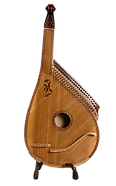
Ukraine a plucked string instrument hybrid of a zither and a lute with a flat, asymmetric wooden body and up to 60 metal or gut strings (both fretted and unfretted), the national instrument of Ukraine and used to accompany traditional Ukrainian folk music and singers.
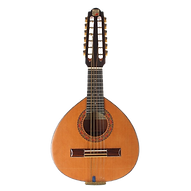
bandurria
Spain, Philippines, Bolivia, Peru, Andorra, Gibraltar a plucked string instrument with a pear-shaped body and twelve strings in six double courses, played with a plectrum, used in Spanish folk music, Zarzuela, and rondalla ensembles.
banhu

China a bowed string instrument with a small, coconut-shell body covered by a thin wooden soundboard, used in northern Chinese opera (especially Peking Opera) and folk ensembles.
banjo

United States, Canada, Ireland, Anguilla, British Virgin Islands, US Virgin Islands a plucked string instrument with a thin membrane like a drumhead stretched over a circular rim to form a resonator, used in bluegrass, country, old-time music, ragtime, and traditional jazz.
barbat

Iran a plucked short-necked lute carved from a single piece of wood, used in traditional Persian music (Dastgah system) and poetry recitation.

Belembaotuyan
Guam, Northern Mariana Islands a long, single-stringed musical bow with a gourd resonator that the player presses against their abdomen to create a "belly echo" and vibrato while striking the string with a stick, used to accompany traditional social gatherings and cultural celebrations.

berimbau
Brazil, Angola a single-stringed musical bow with a resonator, used in martial arts-inspired music and folk dance (Capoeira).

biwa
Japan a short-necked, plucked lute with a pear-shaped body and 4-5 strings, used in narrative storytelling, court music, and Buddhist chanting.
bluegrass mandolin

United States, Canada a small, eight-stringed, pear-shaped instrument, used to play fast melodic lines and rhythmic accompaniment in bluegrass and folk music.

bordonua
Puerto Rico a large, deep-bodied stringed instrument with a vaulted back and ten strings arranged in courses, used in folk music and jibaro ensembles.

bouzouki
Greece, Cyprus a long-necked, pear-shaped lute with a round bowl back and metal strings, used in greek urban folk music (rebetiko).

brač
Croatia, Serbia, Bosnia and Herzegovina a plucked string instrument shaped like a small guitar or large mandolin, used in tamburica orchestras, traditional folk dances, and choral ensembles

buzuq
Lebanon, Syria, Palestine, Jordan a long-necked, fretted lute with movable frets, which allow the player to achieve the precise microtonal intervals (quarter-tones), used in Arabic maqam music, Levantine folk dances (dabke), and soulful solo improvisations (taqsim).
byzaanchy

Tuva (Russian Federation), Mongolia a four-stringed vertical fiddle with a wooden soundbox covered in goat or calf skin most famous for its "through-the-strings" playing style, where the bow hair is threaded between the four strings, allowing the player to produce a polyphonic drone and melody simultaneously, used in accompanying throat singing (khoomei), nomadic folk songs, and ritualistic performances.

cavaquinho
Portugal, Brazil, Cape Verde a small four-stringed plucked lute and direct ancestor of the ukulele, used in samba, choro, and various Portuguese folk traditions.
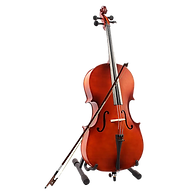
cello
Worldwide (Western Classical) a large, bowed string instrument (core member of the violin family) played in a seated position with the instrument held between the knees, classical orchestral, string quartets, and solo performances.
chapey

Cambodia a long-necked, two-stringed lute with a large, flat, lute-shaped body, used in a centuries-old tradition of improvised storytelling, where the performer sings about folk tales, Buddhist philosophy, social commentary, and satirical humor.

charango
Bolivia, Peru, Ecuador, Argentina, Chile a small, Andean ten-stringed lute made from the shell of an armadillo, used in Andean folk music, carnavalito dances, and nueva canción.

chiwang
Bhutan, Tibet a two-stringed bowed lute carved from a single piece of wood and topped with a skin soundboard, used in Bhutanese folk music (Zhungdra and Boedra) and to accompany vocalists or dancers during festivals.

Çifteli
Albania, Kosovo, North Macedonia, Montenegro a long-necked, two-stringed plucked lute with a small, pear-shaped body, used in northern Albanian folk music, epic storytelling, and festive dances.

cigar box guitar
United States a simple stringed instrument made from a cigar box resonator and a neck, born out of necessity and resourcefulness, used in blues, jug bands, and the American DIY "maker" movement.
cuatro

Venezuela, Puerto Rico, Cuba Colombia, Trinidad and Tobago, Aruba, Curaçao, and Bonaire, Antigua and Barbuda, Barbados a small, four-stringed or ten-string guitar-like instrument, used in genres such as música jíbara, joropo, parang, and salsa.

cümbüş
Turkey a loud, fretless stringed instrument with with a round metal resonator and a banjo-like appearance, typically used for folk and traditional music, celebratory gatherings, and modern fusion genres.

dan nhi
Vietnam, Laos a two-stringed vertical fiddle with a small resonator covered with snakeskin and a bow that is permanently threaded between the strings, used in orchestral court music, folk operas, and funerary rituals.
diyingehu

China, Taiwan, Singapore a large, four-stringed bowed instrument that serves as the bass voice in a modern Chinese orchestra, similar to a Western double bass but with the resonance of a snakeskin-covered soundbox.
dobro

United States, Canada a wood-bodied acoustic guitar with an internal metal resonator cone that acts as a physical amplifier, used in bluegrass, country, and blues music.
dombra

Kazakhstan, Uzbekistan, Afghanistan, Mongolia, Kyrgyzstan, Russia, Tajikistan a long-necked lute with two strings, featuring a pear-shaped body and a slender neck, used in perform "kuys" (epic instrumental poems) that capture the spirit and history of the Central Asian grasslands.

domra
Russia, Ukraine, Belarus a long-necked lute with a round, bowl-shaped body and three or four metal strings, used in folk melodies, rapid-fire tremolo solos, and as a core member of the Russian folk orchestra.
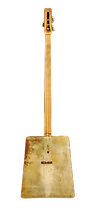
doshpuluur
Tuva (Southern Siberia), Mongolia a long-necked lute with a trapezoidal or kidney-shaped body, two or three strings and a skin-covered soundbox that gives it a percussive, banjo-like "thump" (often called the "Tuvan banjo"), used to accompany Tuvan throat singing (xöömei).
double bass

Worldwide (Western Classical, Popular Music, Jazz) the largest and lowest-pitched member of the modern orchestral string family, standing about 6 feet tall, used in western classical and orchestral performances, jazz, bluegrass & country, rockabilly, and tango.

dranyen
Bhutan, Nepal, Tibet a long-necked, six-stringed lute with a double-waisted wooden body and a skin-covered soundbox, used in traditional folk songs, ritual dances, and secular ballad storytelling.
dutar

Uzbekistan, Turkmenistan, Afghanistan, Iran, Tajikistan, China (Uygher) a long-necked, two-stringed lute with a large pear-shaped resonator, used in epic narrative poetry, classical maqams, and intimate folk songs.
ektara

India, Bangladesh, Nepal, Pakistan a one-stringed lute instrument with a skin-covered resonator and a split bamboo neck that is squeezed to vary the string's tension, used in devotional chants, wandering bards, and rhythmic folk songs.

endingidi
Uganda, Rwanda, Tanzania a one-stringed fiddle with a cylindrical resonator covered in goatskin, used in solo storytelling, social commentary, and traditional folk songs.

erhu
China, Taiwan, Singapore, Macau a two-stringed vertical fiddle with a small hexagonal or octagonal resonator covered in python skin, used as the "violin" of the Chinese orchestra, in traditional and contemporary music, solo performances, ensembles, and film scores.

esraj
India, Bangladesh a bowed string instrument with a wooden body, a skin-covered resonator, and a long, fretted neck, used in North Indian classical music, Sikh devotional kirtan, and film scores.
fiðla

Iceland a bowed string instrument with two to six metal strings stretched over a long, narrow wooden resonator, used in traditional folk melodies and epic poetry.

Gaboussi
Mayotte, Comoros, Madagascar a short-necked, plucked lute carved from a single block of wood with a goatskin soundboard and four to six strings, used in mgodro dances and sacred rumbo ceremonies.

gadulka
Bulgaria a bowed string instrument with a pear-shaped body,10-12 sympathetic strings, and no fingerboard, used in folk dances, Bulgarian "bitov" orchestra, and complex rhythmic accompaniment.
ghaychak

Iran, Afghanistan, Pakistan a bowed string instrument with a double-chambered, skin-covered body, short neck, and metal or gut strings, used in traditional folk music, classical ensembles, and spiritual rituals.
ghijek

Uzbekistan, Tajikistan, China (Uyghur), Turkmenistan, Afghanistan a bowed string instrument with a small, round soundbox covered with a skin membrane and a long neck, used in folk songs, classical Maqam suites, and instrumental storytelling.

goge
Nigeria, Niger, Burkina Faso, Ghana a bowed, single-string fiddle with a round resonator made from a gourd covered in animal skin, used in praise songs, ritual music, and dance celebrations.
gottuvadhyam

India a long-necked fretless zither with twenty-one strings played by sliding a heavy cylinder over the strings with one hand while plucking with the other, used in classical Carnatic music.

Guitarra portuguesa
Portugal, Brazil, Macau a pear-shaped, twelve-stringed lute with fan-shaped tuners and paired steel strings, used in Fado music.
Guitarrilla

Nicaragua a small lute with four to six strings and a higher pitch than a standard guitar, used in traditional folk ensembles and marimba music

guitarrón
Mexico a very large, deep-bodied six-string acoustic bass with an arched back and a fretless fingerboard, used in mariachi ensemble.

gusle
Serbia, Motenegro, Bosnia and Herzegovina, Croatia, Albania a single-stringed bowed instrument with a round, skin-covered resonator and a long neck, used to accompany long epic poems and traditional storytelling.

haegeum
South Korea, North Korea a vertical two-stringed fiddle with a hollow wooden soundbox and silk-strings played by sliding a horsehair bow between the strings, used in traditional court music and modern Korean pop.
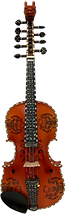
hardanger fiddle
Norway a bowed string instrument with sympathetic strings beneath the fingerboard, used in traditional folk dance music, wedding processions, and ceremonial performances.

hawaiian steel guitar
Hawaii, United States, Japan, Australia a type of guitar played with a metal slide and on the lap or on a horizontal stand, used in traditional Hawaiian island melodies, country-western, and blues music.
huapanguera

Mexico a large, deep-bodied string instrument with five courses of strings, used in the Son Huasteco musical tradition.
hurdy-gurdy

France, Hungary, Spain, Germany a stringed instrument played by turning a crank that rubs a wheel against the strings, functioning like a "mechanical violin", used in folk, neo-medieval, film scores, and experimental music.

igil
Tuva (Russian Federation) a two-stringed bowed instrument with a carved horse-head scroll and a skin-covered soundbox, used to accompany throat singing and epic storytelling.
imzad

Algeria, Mali, Niger a single-stringed bowed fiddle made from a halved calabash gourd and a leather soundboard, used in poetic songs and storytelling in desert social gatherings.

jarana
Mexico a small, five-stringed lute with a shallow body and a short neck, used in traditional folk dances and son huasteco (also called huapango).

jinghu
China, Taiwan a small, two-stringed bowed lute, used in traditional Beijing/Peking opera ensembles.
k'ni

Cambodia, Vietnam a single-stringed bowed instrument that uses the performer's mouth as a resonator and voice box to produce "talking" musical tones, used in intimate solo performances and traditional storytelling. Also called the "mouth violin."

kabak kemane
Turkey a bowed spike fiddle made from a dried gourd resonator and a thin wooden neck, used in folk music to accompany Aegean dance music like the Zeybek.

kamancha
Iran, Azerbaijan, Armenia, Uzbekistan, Turkmenistan a four-stringed spike fiddle with a small, spherical resonator and a long neck, used in Persian classical court music and traditional folk ensembles.

kemenche
Turkey, Greece, Armenia, Iran a small, bottle-shaped bowed string instrument with a wooden body and a skin-covered or thin wooden resonato, used in fast-paced Horon dances of the Black Sea coast, and traditional vocal accompaniment.

koboz
Hungary, Romania, Moldova a short-necked, double-stringed (usually four courses of two strings each), fretless lute with a bowl-shaped back and a 90-degree angle "bent" pegbox, used as a rhythmic-harmonic accompaniment for violins and flutes in folk dance music.

kobza
Ukraine a short-necked, fretless lute with a deep, pear-shaped body and a "bent" pegbox that runs perpendicular to the neck, played with a long, flexible plectrum (traditionally a goose quill), traditional folk bands (taraf).

kokyū
Japan a small, bowed spike fiddle with a skin-covered body and a long neck, used in Sankyoku (three-instrument) chamber music, folk songs, and traditional dance accompaniment.

komuz
Kyrgyzstan, Uzbekistan, Kazakhstan a long-necked, fretless three-stringed lute carved from a single piece of wood, used for epic storytelling, "theatrical" solo performances, and traditional folk music.
kse diev

Cambodia an ancient one-stringed chest-resonated stick zither with a gourd resonator, used in Phleng Kar (traditional wedding) music ensembles.
kudyapi

Philippines a long, two-stringed boat-shaped lute carved from a single block of wood, used primarily for courtship, storytelling, mimicking tonal patterns of local speech dialects, and as a symbolic representation of bravery.
kwitra

Algeria a traditional four-course pear-shaped lute with a short, fretless neck, used in Algerian Andalusian classical music.

laouto
Greece, Cyprus a long-necked lute with double-coursed metal strings and a large pear-shaped body, used in traditional Cretan ensemble music.

laúd
Spain, Cuba, Philippines a pear-shaped, multi-stringed plucked lute with a deep resonant body and paired string courses, used in "Tuna" university group, Plectrum Orchestras, Rondalla ensembles, and Punto Guajiro music.
lautenwerck
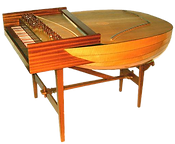
Germany a rare Baroque-era keyboard instrument designed to perfectly imitate the sound of a lute using a harpsichord-like plucking mechanism and gut strings, used in Baroque western classical repertoire specifically the compositions of J.S. Bach.

lavta
Turkey a short-necked, fretted lute with 7 to 24 movable frets, used in Turkish Makams, small indoor gatherings (fasıl), Istanbul's cosmopolitan court music, and musical heritage peformances of the Ottoman era
leiqin

China a bowed string instrument with a small, skin-covered resonator and a long, fingerboard-free neck, used to mimic human speech and animal sounds in theatrical and solo folk performances.

liuqin
China a small, high-pitched plucked lute with a pear-shaped body and four strings, used in traditional Chinese orchestras and Chinese opera.
Makhoyane
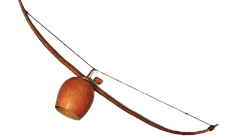
Eswatini, South Africa, Mozambique a tall, gourd-resonated braced musical bow that produces a rhythmic, drone-like accompaniment for narrative songs concerning courtship, history, and social life.

mandocello
Italy, United States, Ireland a large, deep-bodied plucked string instrument with eight strings tuned in four courses, used in mandolin orchestras, Italian folk music, modern Celtic and contemporary folk ensembles, solo classical music performances, and bluegrass.

mandola
Italy, United States, Ireland a medium-sized plucked string instrument with eight strings tuned in four courses, used in mandolin orchestras and traditional folk music. The "viola of mandolins."

mandolin
Italy, Ireland, Brazil, Gibraltar a small, plucked string instrument with eight strings tuned in four courses, used in western classical music, mandolin orchestras, and various folk traditions.

masenqo
Ethiopia, Eritrea a single-stringed bowed lute with a diamond-shaped resonator, used for storytelling by Azmari (traditional Ethiopian minstrels), praise singing, "Azmari Bet" (traditional music club), and Ethiopian wedding celebrations.

Mejoranera
Panama a small, five-stringed lute carved from a single block of wood, used to accompany folk singers and troubadours in traditional poetic duels and rural social dances.
mohan veena

India a highly modified archtop acoustic guitar with nineteen strings (melody, drone, and sympathetic strings) played with a slide, used in classical Indian raga.

moraharpa
Sweden an early version of the bowed keyed fiddle with a rectangular, box-like body and a small number of keys, used in traditional folk dances and medieval music revival.
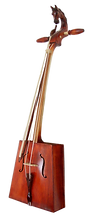
morin khuur
Mongolia, Russia (Buryatia, Kalmykia) a two-stringed bowed lute with a carved horse-head scroll and a trapezoidal body, used in traditional nomadic songs, storytelling, and spiritual rituals.
nyckelharpa

Sweden a bowed, keyed fiddle with sympathetic strings , typically used for Scandinavian folk music and traditional dance tunes.

orutu
Kenya, Tanzania a single-stringed fiddle with a cylindrical resonator covered in goatskin, used in traditional storytelling, social ceremonies, and Benga music.
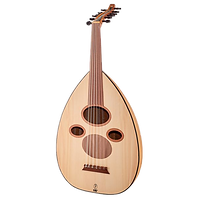
oud
Iraq, Iran, Palestine, Syria, Lebanon, Egypt, Morocco, Turkey, Armenia, Bahrain, Djibouti a short-necked, pear-shaped lute with a large vaulted back and eleven or thirteen strings, used in classical Arabic music, Ottoman classical music, folk ensembles, and cinematic scores.

panduri
Georgia a three-stringed, fretted lute with a spade-shaped body, used in polyphonic songs, heroic ballads, and folk dances.
pipa

China, Macau a four-stringed, pear-shaped instrument with a shallow wooden body, used in ancient court music, modern avant-garde compositions, and film scores
qanbus

Yemen, Oman, Saudi Arabia a short-necked, pear-shaped lute carved from a single block of wood with a skin-covered soundboard, used in folk songs, coastal and maritime music, and rhythmic dances.
qobyz

Kazakhstan, Kyrgyzstan, Uzbekistan, Russia a bowed string instrument carved from a single piece of wood with an open resonator partially covered by skin, used by shamans for healing and spiritual communication, zhyrau epic storytellers.

rabeca
Brazil, Portugal a bowed string instrument with a flat bridge and a deep body, used in rhythmic dance tunes, folk festivals, and regional styles like forró and fandango.
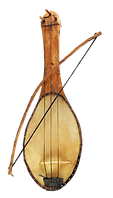
rabel
Spain, Mexico, Panama a bowed string instrument with one to three strings, a carved wooden body, a skin or wood soundboard, used in folk songs, shepherd dances, and satirical oral poetry, and in modern genres like cumbia and punto.

ravanahatha
India, Sri Lanka a bowed string instrument with a coconut shell resonator covered with goat skin and a long bamboo neck, used in epic storytelling and spiritual folk music.
rawap

China (Uyghur), Afghanistan, Tajikistan, Uzbekistan a long-necked plucked lute with a small, skin-covered round body and lateral horns at the base of the neck, used in virtuosic solo performances and folk dance music.
rebab

Indonesia, Malaysia, Afghanistan, Egypt, Turkey, Morocco a bowed string instrument with a small, rounded body covered by a parchment or skin membrane and a long, slender neck, used in Gamelan orchestras, Mak Yong dance drama, classical court music, classical Arabic music, Andalusian classical music, Sufi devotional music, and Ottoman classical traditions.

rebec
France, Spain, Italy, United Kingdom (England), Germany a small, pear-shaped bowed string instrument carved from a single block of wood with a narrow neck and three strings, used in medieval court music, Sephardic traditions, early renaissance ensembles, french minstrel performers (travelling musicians), and secular dance music.

requinto
Mexico, Spain, Puerto Rico, Colombia, Ecuador a small, guitar-like stringed instrument, used in Bolero, "Trío Romántico" style, Jíbaro music, tuna ensembles, Bambuco and Guabina music, and Pasillo music.

ronroco
Bolivia, Argentina, Peru, Chile a large plucked lute with ten strings arranged in five courses, used for cinematic scores, folk melodies, and traditional Andean music, contemporary Andean fusion music, and Nueva Canción.

rubab
Afghanistan, Pakistan, Tajikistan a short-necked, plucked lute with a "waisted" body carved from a single piece of wood and a goat skin-covered resonator, used in classical art music, Pashtun music traditions, and traditional folk suites.

sanxian
China a long-necked, three-stringed lute with a fretless fingerboard and a rounded rectangular body covered in python skin, used in traditional ensemble music, opera accompaniment, Suzhou pingtan and northern shushuo, ballad singing, and solo folk performance.

sarangi
India, Pakistan a short-necked, bowed string instrument carved from a single block of cedar wood with a skin-covered resonator, used to mimic the human voice in Hindustani classical music, Sufi devotional songs, and traditional folk songs.

sarinda
India, Pakistan, Afghanistan, Bangladesh a bowed string instrument with a deeply waisted wooden body and a partially open soundbox, used in folk music, Sufi poetry, tribal dance, Baul music, and devotional songs.
sarod

India, Pakistan, Bangladesh a short-necked, fretless lute with a polished metal fingerboard, 17 to 25 strings (including 4-6 sympathetic strings), a skin-covered resonator, and played with a coconut shell plectrum, used in Hindustani classical music.
saw sam sai

Thailand a three-stringed spike fiddle with a three-lobed coconut body and a separate bow, used in royal court music, Mahori ensemble, and state ceremonies, associated with royalty and high social status.

saz
Turkey, Azerbaijan, Iran, Armenia, Bosnia, Albania Greece a long-necked, plucked lute with a deep, pear-shaped body and movable frets, used in folk storytelling, Ashiq minstrels to accompany epic poems, troubadour music, and Sufi poetry.

Segaba
Botswana, South Africa, Namibia a single-stringed, bowed "overtone violin" with a wooden staff with a metal-can resonator, used for personal entertainment, cattle-herding signals, and the accompaniment of oral storytelling
setar

Iran, Afghanistan, Tajikistan, Uzbekistan a long-necked lute with a pear-shaped body, fingerboard with 25 to 28 movable frets, and four strings, used in Persian classical music, prized for its intimacy and its ability to convey deep "hal" (a state of musical ecstasy).

sitar
India, Pakistan, Bangladesh, Nepal a long-necked plucked string instrument with a large gourd resonator and movable frets, used in Hindustani classical music, Bollywood film scores, world fusion music, and psychedelic rock fusion.
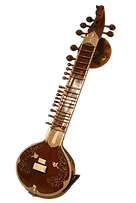
surbahar
India, Pakistan, Bangladesh a large, plucked string instrument of the sitar family with extra gourd resonator and thick strings, used to play the slow, meditative sālāp (non-metric introduction) sections of Hindustani classical music.

tambura
India, Pakistan Banglidesh, Nepal a long-necked, fretless plucked string instrument with four or five strings, used to produce a continuous, resonant drone, used in Indian classical music.
tar

Iran, Azerbaijan, Georgia, Armenia a long-necked, plucked string instrument with a figure-eight shaped body covered in a stretched membrane, which plays the main melodic line, used in Persian classical music and Azerbaijani folk music.

tar shehnai
India, Pakistan, Bangladesh a bowed string instrument with a short neck, fretboard, and skin soundboard, used in Hindustani classical music.

theorbo
Italy, France, United Kingdom, Germany, Spain a large, long-necked lute with two sets of strings: a fretted neck for playing the melody and a separate, unfretted extension for long bass strings, used for harmonic accompaniment (basso continuo) in Baroque vocal music, operas, and chamber ensembles.
tidinit

Mauritania, Mali, Algeria a small, four-stringed, plucked lute with a skin soundboard and a rectangular wooden body, used by griots (professional musicians/storytellers), in vocal narratives, and praise singing in West African folk music.

torban
Ukraine, Poland, Lithuania a large, elaborate lute with fretted melodic strings and many shorter bass strings (known as prystruńky) placed on the soundboard, used in Baroque and Romantic classical music and folk songs.

tovshuur
Mongolia, Russia (Republic of Kalmykia) a two-stringed, long-necked lute with a skin-covered trapezoidal sound box and a carved horse head at the top, used in epic singing (often throat singing) and folk melodies among nomadic peoples.

träskofiol
Sweden a folk fiddle made from a hollowed-out wooden clog as the resonator body, used in traditional dance music, polskas, and waltzes at rural festivals and gatherings.
tres

Cuba, Puerto Rico, Dominican Republic a plucked string instrument similar to a guitar, but smaller and with only three courses, used in Cuban son, salsa, and Afro-Cuban folk music.

tsii'edo'a'tl
United States (Apache) (also known as the Apache fiddle) a bowed string instrument made from a hollowed-out century plant stalk or yucca with one or two strings, used in meditative melodies, rhythmic dance music, personal entertainment, and indigenous ceremonies.

tungna
Tibet, Nepal, India, Bhutan a plucked string instrument with a long, fretless neck and a skin-covered rectangular sound box, used by musicians and monks to accompany folk dances, epic narratives, and sacred monastic chants.

tzouras
Greece, Turkey, Cyprus a plucked string instrument (a smaller version of the Greek bouzouki) with a pear-shaped body, a long neck, and three or four pairs of metal strings, used in Greek folk music (especially the Rebetiko genre).

ukulele
Hawaii a small, four-stringed plucked lute, strung with nylon or gut strings, used in Hawaiian music, folk songs, and pop music.
ütőgardon

Hungary, Romania a string instrument resembling a large cello with three or four gut strings which are percussively struck with a stick, acting as a rhythmic drone, used in Hungarian and Transylvanian folk dance music.
veena

India, Sri Lanka a large plucked string instrument, with a long fretted fingerboard and two large resonant gourds (one at each end), used in Carnatic (South Indian) classical music.

vihuela
Mexico a small, five-stringed instrument with a vaulted, convex back, used in mariachi ensembles, ranchera, and huapango
viola

Worldwide (Western Classical) a bowed string instrument that is slightly larger than a violin, tuned a perfect fifth lower, middle voice (alto/tenor) of the orchestral string family, used in orchestral classical music, chamber ensembles, and string quartets.

viola caipira
Brazil a ten-stringed, smaller relative of the classical guitar, used in Brazilian folk music, música caipira or country music, accompanying singers, and performing instrumental solos.

violin
Worldwide the smallest and highest-pitched member of the orchestral string family, tuned in perfect fifths, uses in nearly every western music genre, including orchestral classical music, folk music (where it is often called a fiddle), and jazz.
waldzither

Germany, Austria a plucked zither with a guitar-like body with five courses (nine strings total, with two doubled) and a "heart-shaped" sound hole, used in German folk songs and hiking music in the early 20th century.
xalam

Senagal, Gambia, Mali, Mauritania a five-stringed plucked lute with a skin-covered wooden body and a fretted neck, used by griot praise singers, to accompany epic narratives, praise songs, and folk dances.

yayli tanbur
Turkey a long-necked, four to six-stringed bowed lute that is held vertically and played with a horsehair bow, used in Ottoman classical music and Turkish art music.
yueqin

China, Taiwan a round-bodied, plucked string instrument with a short fretted neck and four strings tuned in pairs, used in Beijing opera, folk ensembles, and chamber music.
zhongruan

China, Taiwan a plucked string instrument with a round body, four strings, and a fretted neck, used in Chinese orchestra, Chinese folk music, and contemporary orchestral pieces.