


_3x.png)

adufe
Portugal a square or rectangular frame drum with jingles or seeds inside, struck by the palm and fingers, used in folk music and processional dances.

alfaia
Brazil a large wooden bass drum with rope tensioning, used in traditional ensemble, the Maracatu processions, carnivals, and folk celebrations.
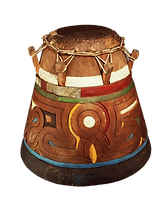
Apinti
Suriname, French Guiana a single-headed, goblet-shaped talking drum carved from a single log and covered with a deerskin or goatskin head, used in religious ancestral ceremonies (Winti) and Kaseko music.
ashiko

Nigeria, Ghana, Togo, Benin, Haiti a tapered hand drum with a rope-tuned animal skin head, use in dance music, community celebrations, folk music, and as a "talking drum" to mimic speech..

atabaque
Brazil a tall, wooden hand drum made of Jacaranda wood staves and rope-tuned animal skin head, providing the essential rhythmic foundation for the Afro-Brazilian martial art of Capoeira and the religious ceremonies of Candomblé.
Babadok

East Timor (Timor-Leste), Indonesia a single-headed, goblet-shaped used in Tebedai dance, rital and social gatherings. Traditionally played by women.
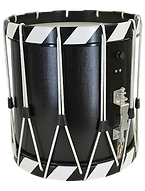
basler trommel
Switzerland, Germany a rope-tensioned, two-headed cylindrical marching snare drum, used in Basler Fasnacht (Basel Carnival) and by fife and drum corps.

bass drum
Worldwide (Western Classical, Jazz, Popular Music, Standard Drum Set) a large cylindrical membranophone (largest drum in classical and popular music traditions), used in orchestral, military music, jazz, and popular music genres.

batá
Nigeria, Cuba, Puerto Rico, Togo, Benin a set of three double-headed, hourglass-shaped drums made of carved wood and covered with tensioned hide, used for polyrhythmic patterns essential for calling and communicating with the Orishas (deities) in Yoruba religious ceremonies and associated music.

Beduk
Indonesia, Malaysia, Brunei, Cocos (Keeling) Islands a large, double-headed barrel drum made from a large hollowed jackfruit or teak tree trunk and water buffalo hide, suspended in a wooden frame and struck with a padded mallet, used in Islamic call to prayer, Javanese Gamelan Ageng, Dondang Sayang & Folk Music, and Ceremonial Signaling .
Bèlè

Martinique, Saint Lucia a cone-shaped, single-headed drum carved from a solid log, with a goatskin head tensioned by a system of ropes and wooden pegs, used in Bèlè dance, work songs, "wake" ceremonies (veillées mortuaires), and storytelling sessions

bendir
Morocco, Algeria, Tunisia, Libya, Egypt a circular frame drum with a wooden rim, a skin head, and internal snares,used in folk, traditional, celebration music, and spiritual Sufi rituals.

bodhrán
Ireland, Canada (Newfoundland), Falkland Islands a circular frame drum played with the hands or a double-headed wooden mallet called a tipper, used in folk, traditional ensemble music, and lively dance tunes.
Boduberu

Maldives a large, double-headed barrel drum made from the wood of coconut trees and covered with manta ray or goatskin, used in boduberu music, traditional Maldivian "shows" for tourists, weddings, and community festivals.
bomba drum

Argentina,Bolivia, Chile, Peru, Colombia, Puerto Rico a deep, double-headed drum made from a hollowed tree trunk and covered with animal hides, used in puerto rican bomba music, andean folk music, military marches, and street parades
bongos

Cuba, Puerto Rico, Dominican Republic, Colombia a pair of small, open-bottomed drums of different sizes joined by a thick bridge that are played with the hands, used in salsa, afro-Cuban jazz, and latin pop genres

bougarabou
Senegal, Gambia, Guinea-Bissau a set of goblet-shaped drums with a single cowhide head, played with the hands, used in communal dancing, festive celebrations, and healing rituals.

Boula
Haiti, Grenada a single-headed, cylindrical drum made from a hollowed-out tree trunk with a skin head, highest-pitched member of the traditional Haitian Vodou drum ensemble, also used in Big Drum (Saraka) tradition of Carriacou,
buk

South Korea, North Korea a double-headed barrel drum with a wooden body and leather heads, used in folk music, masked dances, and shamanic rituals.

caja vallenata
Colombia a small, conical tension drum held between the knees and played with the bare hands, one of the three fundamental instruments of vallenato music (with the accordion and guacharaca), also used in folk dances, storytelling songs.
chande

India The chande is a large, double-headed drum played with two wooden sticks, designed to be heard for miles, used in Carnatic and temple music ensembles, yakshagana theater, kathakali dance-drama, and grand temple festivals.
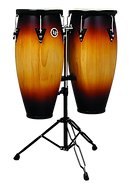
congas
Cuba, Puerto Rico, Colombia, Dominican Republic, British Virgin Islands tall, narrow single-headed drums played with the hands, used in Afro-Cuban, salsa, and Latin jazz music.
daouli

Greece, Cyprus a large, two-headed cylindrical drum played with two different sticks, used in outdoor folk dances and village festivals.

darbuka
Egypt, Turkey, Lebanon, Syria, Iraq, Morocco, Tunisia a goblet-shaped hand drum with a single head, used in belly dance, folk celebrations, and Middle Eastern pop music.

davul
Turkey, Bulgaria, North Macedonia, Albania, Azerbijan, Iran a large, double-headed cylindrical drum played with two different beaters, used for leading outdoor processions, Anatolian folk music and folk dances, and wedding celebrations.

dayereh
Iran, Azerbaijan, Uzbekistan, Tajikistan, Afghanistan a medium-sized frame drum featuring a series of metal rings or jingles attached to the inner rim, used in social gatherings, classical poetry recitals, and traditional wedding music.
dhol

India, Pakistan, Bangladesh a double-headed barrel drum played with two different wooden sticks, used in, Punjabi folk music, Sufi rituals, bhangra music and community celebrations.

dimdi
India a small, single-headed frame drum with a shallow wooden rim that is struck with the fingers and palm, used in folk storytelling, devotional songs, and traditional dance performances.
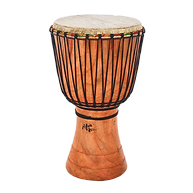
djembe
Guinea, Mali, Senegal, Côte d'Ivoire, Burkina faso, Worldwide (Popular Music), French Guiana a rope-tuned, goblet-shaped drum carved from a single piece of hardwood and topped with a rawhide skin, used in social dances, ceremonies, and communal gatherings, contemporary world fusion genres.
doira

Uzbekistan, Tajikistan, Afghanistan, Turkmenistan a frame drum with metal rings or "jingles" attached to the interior of a wooden rim, used in folk dances, weddings, and classical maqam music.
dundunba

Guinea, Mali, Senegal, Ivory Coast, Burkina Faso a large, cylindrical drum made from a hollowed log and covered with cowhide, used as the "king" of the three-drum bass ensemble in traditional West African rhythms and celebratory dances.
fa'atete

French Polynesia/Tahiti, Cook Islands a single-headed drum made from a hollowed wooden shell covered with a tight membrane, used in traditional Ori Tahiti dance.

ghumot
India (Goa) a clay pot with a circular opening covered by a skin membrane, used in traditional folk songs, weddings, and harvest festivals.
gome

Ghana, Sierra Leone a large, square-framed drum that the musician sits on while playing with both hands and feet to manipulate the pitch, used in Ghanaian highlife music and celebratory social dances.

huehuetl
Mexico an ancient percussion instrument made from a single, hollowed-out tree trunk with a stretched animal-hide head, used in performances of traditional Danza Azteca circles and recreations of Aztec and Nahua cultural ceremonies.
idakka

India (Kerala) a small hourglass-shaped drum played with a stick where the player varies the pitch by squeezing the central lacing, used in sacred temple rituals and traditional dance dramas.

janggu
South Korea, North Korea a double-headed, hourglass-shaped drum with two "dual-tone heads" (meant to represent the "masculine" and "feminine" or Yin/Yang) , used in folk dance, shamanic rituals, and traditional percussion ensembles.
junkanoo drums

The Bahamas barrel-shaped percussion instruments made from recycled containers (like large oil barrels) and stretched animal hides, used in Junkanoo festival celebrations, street parades, and carnival celebrations.

kanjira
India a small, high-pitched frame drum with a single pair of metal jingles and a flexible skin head, used in classical South Indian Carnatic percussion ensembles.

khol
India, Bangladesh a terracotta drum with two leather faces of different sizes for producing different tones and timbres, used in devotional Kirtan, Baul music, Harinama Sankirtan (congregational chanting), and traditional folk dances.
kpanlogo drum
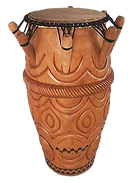
Ghana a peg-tuned hand drum with a tapered wooden body carved from a single piece of wood and a skin head, used in Kpanlogo dance (a "youth" genre blending Ga rhythms with highlife and rock-and-roll influences), and West African percussion ensembles.
kudüm

Turkey a pair of small, kettle drums with bowl-shaped copper bodies and skin heads, used in "Whirling Dervish" ceremonies, Ottoman court music, Turkish classical music, and Sufi religious ceremonies.

kundu
Papua New Guinea, West Papua (Indonesia), Solomon Islands an hourglass-shaped drum with a single lizard-skin head and a handle carved into its side, the most iconic musical instrument of Papua New Guinea, used in the Sing-Sing (large cultural gatherings where hundreds of performers drum and dance in unison to tell ancestral stories).
madal

Nepal, India, Bhutan a cylindrical, double-headed hand drum with a slight outward bulge in the center and worn around the players waist or neck, used in folk genres, seasonal festivals, and traditional social dances.

mondo drum
United States a percussion instrument with a durable synthetic head and an internal tuning system that produces multiple varied sounds, used in world music, rock, and orchestral ensembles.
Moutya

Seychelles a large, shallow frame drum with a circular wooden hoop and a single goatskin head, used in traditional Seychellois dance and music called "Moutya"
naqareh

Iran, India, Pakistan, Turkey, Azerbaijan, Uzbekistan, Turkmenistan, Afghanistan a pair of kettle-shaped drums made of clay, wood, or metal and covered with hide and played with sticks, used in the "Naqareh-khaneh" to announce the sunrise and sunset, Naubat ensembles, royal processions, military fanfares, and traditional festive music.

ngoma
Democratic Republic of Congo, Uganda, Zambia, Tanzania, South Africa, Zimbabwe, Kenya, Rwanda, Burundi, Gabon, Angola a barrel-shaped drum carved from a single log and covered with a cowhide head, used in communal communication, Sangoma healing rituals, Zulu and Xhosa folk music, and traditional dance accompaniment.
pahu

Hawaii, Cook Islands, Samoa, French Polynesia/ Tahiti a tall, cylindrical drum carved from a single log and covered with a shark or cowhide head, used to signal sacred rituals, accompany hula performances, and in communal chants.
pambai

India, Sri Lanka a pair of cylindrical drums tied together and played with sticks, used in temple festivals, folk dances, and rituals dedicated to village deities.
pandero

Brazil, Puerto Rico, Spain, Dominican Republic a frame drum with a tunable head and sometimes has cupped metal jingles that rattle, used in plena music, folk dances, martial arts accompaniment, and street festivals.

pandero cuadrado
Spain a square frame drum with a wooden frame covered on both sides with animal skin, often filled with seeds or pebbles to make a rattling sound, used in folk songs and communal dances.
pat waing

Myanmar a set of twenty-one tuned drums suspended inside a decorative gold-leafed circular frame, used in traditional folk orchestras, hsaing waing ensemble, puppet shows, and religious ceremonies.
powwow drum

United States (Great Plains, Southwest, Eastern Woodlands tribes), Canada (First Nations, Métis) a large, communal frame drum made of wood and rawhide, used in powwow celebrations, intertribal songs, ceremonial dances, and competitive vocal performances.

qilaut
Canada, Greenland, Alaska, Russia (Chukotka Peninsula) a large, circular frame drum made of caribou skin or synthetic materials stretched over a wooden hoop, of the Inuit, Iñupiat, Yup'ik, and Indigenous peoples of the Chukotka Peninsula, used to accompany storytelling, ceremonial songs, and "drum dances (Kalaallit drum dancing)"

rada drums
Haiti a set of three different sized barrel-shaped drums (named "manman," "segond," and "bula") played with sticks and hands to create complex, interlocking polyrhythms, used in "rada battery", sacred dances, and trance-inducing Vodou ritual music.
Ravanne

Mauritius a large, circular frame drum with a wooden hoop and a single goatskin head, used in Sega music, the national genre of Mauritius.
Rebana

Indonesia, Malaysia, Brunei, Cocos (Keeling) Islands a single-headed frame drum with a wooden body and a goatskin head, widely recognized as the most important percussion instrument in the Islamic musical traditions of Southeast Asia, used in devotional music like Hadroh, Samman, and Sholawat, also used in wedding processions, and dikir barat (competitive choral form)

repinique
Brazil, Uruguay a high-pitched, double-headed drum that serves as the rhythmic "conductor" of the samba ensemble, used to signal rhythmic changes, lead call-and-response patterns, and perform virtuosic solos, Candombe traditions for Carnival, community samba schools and percussion troupes.
riq

Egypt, Syria, Lebanon, Turkey, Iraq, Jordan, Morocco a small tambourine with a fish-skin or synthetic head and heavy brass cymbals, used in classical Arabic music, folk dances, and traditional Takht ensembles.

Rouler
Réunion, Mauritius a large, deep-bodied barrel drum made from a hollowed-out log, used in Maloya music and ancestor veneration ceremonies (Service Kabaré).
Saami ritual drum

Norway (Lule Saami), Sweden (Ume Saami), Finland, Russia(Kola Peninsula/Sápmi region) (or meavrresgárri) a sacred frame drum with a reindeer-skin membrane decorated with cosmological symbols, used by Noaidi (shamans) to enter a trance, predict the future, and communicate with the spirit world.
snare drum
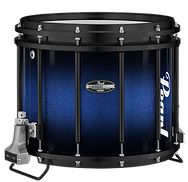
Worldwide (Western Classical, Popular Music) a cylindrical drum with two heads and a set of wires stretched across the bottom head that vibrate when the top head is struck, used in genres like rock, pop, jazz, and military music.
surdo

Brazil a large, cylindrical bass drum with two heads, played with a large soft beater, used in samba and carnival music.

tabla
India, Pakistan, Bangladesh, Nepal a pair of small, tunable hand drums, where the smaller drum (dayan) plays the treble and the larger drum (bayan) plays the bass, used in Hindustani classical music, Bollywood film scores, and Indian popular music.

tabor
France, United Kingdom a shallow, cylindrical drum struck with one stick while the same performers plays a three-hole pipe in the other hand, used in historical folk music and medieval dance performances
taiko
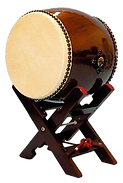
Japan large, barrel-shaped percussion drums with heads secured by tacks and played with large mallets, used in ceremonial music, festival performances, and modern kumi-daiko (ensemble drumming).
talking drum

Nigeria, Ghana, Benin, Senegal, Mali, Burkina Faso, Gambia an hourglass-shaped, double-headed drum with tension cords running between the two heads the player to squeezes with their arm to change the drum's pitch and mimic the tonality of West African languages, used in griot storytelling and traditional ceremonial music.
tambora

Dominican Republic, Puerto Rico a double-headed, cylindrical bass drum suspended by a strap and played with a wooden stick and the palm of the other hand, used in merengue music and folk dances.
tambú
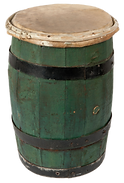
Curaçao, Bonaire, Aruba, Venezuela a single-headed, cylindrical hand drum made from a hollowed-out tree trunk and covered with goat skin, used in Afro-Caribbean music and dance style that shares its name.
tānggu

China, Taiwan, Singapore, Malaysia a medium-sized, barrel-shaped percussion drum played with two sticks and mounted on a stand, used in Chinese traditional operas, folk music, and temple rituals.

taphon
Thailand, Cambodia, Laos a medium-sized, barrel-shaped drum placed on a stand and played with both hands, used in piphat ensemble that performs classical and ceremonial Thai music.

tbilat
Algeria, Mali, Niger, Libya, Burkina Faso a pair of small, hourglass-shaped hand drums, used in Tuareg folk music and social dances.
thavil

India, Sri Lanka a large, double-sided barrel drum with an extremely tight-fitting membrane, one side is played with a wooden stick and the other is played with the fingers (often wearing thimbles), used in South Indian Hindu temple festivals and accompanying the nagaswaram (a large double-reed instrument).

thimila
India an hourglass-shaped, double-headed hand drum, used in Hindu temple music and accompanying traditional ritual arts in Kerala.
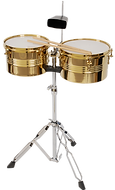
timbales
Cuba, Puerto Rico, Venezuela, Colombia a pair of shallow, single-headed metal shell drums, mounted on a stand and played with thin sticks, used in Cuban danzón, mambo, and Salsa music.
timpani

Worldwide (Western Classical) a set of large, bowl-shaped drums with a single head stretched over a copper or fiberglass shell, tunable with foot pedals, provide powerful rhythmic accents and sustained rolls, used in Western orchestral classical music, opera, and military band music.
tom-tom

Worldwide (Western Classical, Popular Music) a single-headed cylindrical drum without a snare (can be in a shoulder-mounted set of multiple sizes for marching), used in modern drum kits in rock, jazz, and pop music, marching band and orchestral percussion.
tombak

Iran a goblet-shaped wooden drum, covered with goatskin, used in Persian classical and contemporary music.
tupan
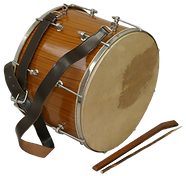
Bulgaria, North Macedonia, Albania a large, cylindrical, double-headed bass drum played with a large mallet on one side and a thin stick on the other, used in folk dances and Balkan wedding music

wankara
Peru, Bolivia, Ecuador a large, double-headed cylindrical bass drum, struck with a padded stick, used in Andean folk music and ceremonial dances.

water drum
United States (Iriquois, Seminole, Delaware tribes), Mexico a percussion instrument made of a wooden or clay pot partially filled with water and covered with a stretched, moistened leather membrane, struck with a padded stick, pitch can be altered by changing the water level, used in indigenous ceremonies and spiritual music.
zabumba

Brazil a large, cylindrical, double-headed bass drum played with two different beaters (one with a soft, padded end and a stick or switch for the other end), used in Brazilian folk dances and Northeastern music genres like forró.