


_3x.png)

dan moi
Vietnam, Laos a brass or bamboo mouth harp, used for folk melodies, courtship songs, and traditional storytelling.

drymba
Ukraine a small, metal jaw harp, used for solo folk melodies, rhythmic accompaniment, and traditional shepherd tunes.

genggong
Indonesia, Malaysia a jaw harp made from the rib of a sugar palm leaf or bamboo, used to mimic the sounds of nature, rhythmic accompaniment for traditional storytelling and village dances.
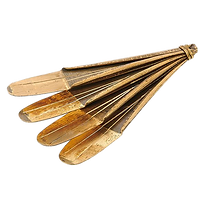
kouxian
China a small instrument made of multiple thin bamboo or metal strips arranged like a fan, used for personal communication, courtship, and mimicking the sounds of nature.
kubing

Philippines a bamboo jaw harp featuring a thin, vibrating tongue carved into a slender frame, used for personal entertainment, courtship, and mimicking the sounds of the environment.
Lesiba

Lesotho, South Africa an unbraced string-wind hybrid instrument consisting of a wooden staff and a single tensioned string attached to a flattened bird-quill resonator, played by blowing across the quill to make the string vibrate, used in cattle-herding signals and meditative personal performance.
maultrommel

Germany, Austria, Switzerland a small jaw harp with a flexible metal tongue attached to a frame, used widely in Alpine and Bavarian folk music.
Moungongo
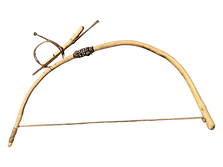
Gabon a mouth-bow instrument with a flexible wooden branch tensioned by a plant-fiber string that is struck with a thin stick while the player uses their mouth as a variable resonator, used in spiritual initiations and healing rituals.
susap

Papua New Guinea a type of jaw harp made of bamboo, used in courtship rituals and traditional folk music.
Ūkēkē

Hawaii a small string instrument played by holding the wooden bow in the mouth (using the mouth cavity as a resonator) and plucking the one to three strings with a reed or piece of straw, used to accompany chanting and vocalized poetry.