


_3x.png)
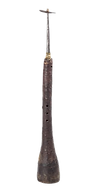
algaita
Nigeria, Cameroon, Sudan, Niger, Chad a double-reed wind instrument with a conical bore and flared bell, used for ceremonial events, praise singing in royal courts, and providing the lead melody for traditional dance music.
bassoon

Worldwide (Western Classical) a large double-reed woodwind instrument with a conical bore, complex key system and U-shaped air column (bocal), used in orchestras, concert bands, and chamber music.
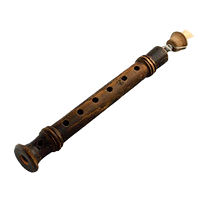
chirimía
Guatemala a primitive oboe with a simple, turned-wood construction and a lack of the complex metal keywork, used in religious processions, traditional folk dances, and festive outdoor celebrations.
ciaramella

Italy a double-reed woodwind instrument similar to an oboe or a bagpipe chanter, used in central and southern Italian folk music, particularly during the Christmas season.
contrabassoon

Worldwide (Western Classical) a low-voiced double reed instrument with sixteen feet of wooden tubing doubled over multiple times, used in orchestral, chamber, and film music to provide the lowest bass foundation in the woodwind section.
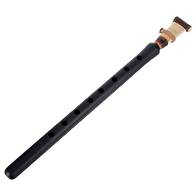
duduki
Georgia, Armenia a large, double-reed woodwind instrument known for its warm, melancholic tone, used in folk melodies, comic verses, and festive dance music in small ensembles.

dulzaina
Spain a loud, double-reed woodwind instrument with a conical bore and a flared bell, used in folk dances, religious processions, and street celebrations.

english horn
Worldwide (Western Classical) a larger double-reed woodwind instrument in the oboe family, used in orchestral, chamber, and film music to convey lyrical or pastoral passages.
Gralla

Andorra A small double reed instrument in the shawm family with a conical body carved from a single block of wood, used during the construction and dismantling of human towers or castells and other traditional festivities.
guanzi

China, Taiwan a small double-reed pipe, used in folk ensembles, Buddhist and Daoist ritual music, and traditional operatic performances.
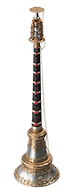
gyaling
Tibet, Bhutan, Nepal, India, Mongolia a double-reed wind instrument with a conical wooden body and a large copper or brass bell, used to "invite deities," accompany ritual chanting, and fanfares during monastic ceremonies.
heckelphone

Germany, Austria, United States, France, United Kingdom a low-pitched double-reed woodwind instrument with a large globular bell, used in large-scale late-Romantic orchestral works and modern film scores.

hichiriki
Japan a short, bamboo double-reed instrument, used in ancient court music and Shinto rituals.
hirtenschalmei

Germany, Austria, Switzerland, France a hooked, double-reed instrument with a "windcap" (the double reed is enclosed inside a wooden cap, used in medieval-style folk music and historical reconstructions of shepherd melodies.

hne
Myanmar a conical woodwind instrument with a multi-layered metal bell and a quadruple-reed mouthpiece, used in traditional outdoor percussion ensembles and theatrical performances.

kèn bầu
Vietnam a double-reed woodwind instrument with a conical wooden body and a bulb-shaped gourd or wooden resonator, used in ceremonial processions, traditional theater, and outdoor festivals.

magrouna
Tunisia, Algeria, Libya, Egypt a double-piped reed instrument featuring two parallel cane tubes, two small "idioglottal" reeds (slits cut directly into smaller pieces of cane), and two upturned animal horn bells, used in pastoral melodies, wedding celebrations, and traditional folk dances.

mizmar
Egypt, Lebanon, Syria, Palestine, Jordan, Iraq, Sudan, Yemen, Saudi Arabia a double-reed wind instrument with a conical bore and a flared bell, used in folk dances, Sa'idi folk music, outdoor festivals, and traditional wedding processions.
nadaswaram
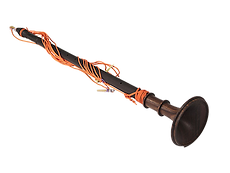
India, Sri Lanka, Malaysia, Singapore a large double-reed wind instrument with a long conical wooden body and a flared metal bell, used for temple rituals, Tamil Hindu cultural and religious ceremonies, Carnatic classical concerts, and traditional wedding processions.

oboe
Worldwide (Western Classical) a double-reed woodwind instrument, used in orchestral, chamber, and solo classical music.

oboe d'amore
Worldwide (Western Classical) a mezzo-soprano member of the oboe family with a pear-shaped bell, used in classical and Baroque orchestral and chamber music.
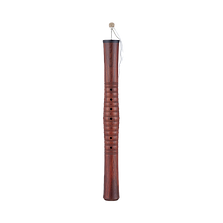
pi nai
Thailand, Laos a large bulbous woodwind instrument with a quadruple reed, used in piphat ensembles
piri
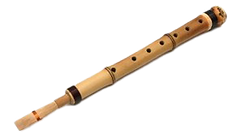
South Korea, North Korea a bamboo double-reed instrument, used in court rituals and folk music traditions.

sopila
Croatia a small, wooden double-reed instrument with a conical bore, used in Croatian folk dances and accompanying folk singers.

sralai
Cambodia a wooden wind instrument featuring a quadruple palm-leaf reed, used in the Pinpeat orchestra, Cambodian classical court music, and ceremonial music.

suona
China, Taiwan a double-reed wind instrument with a conical bore and a large, detachable metal bell, used in Chinese folk music, military music, and outdoor ceremonial music.

taepyeongso
South Korea, North Korea a conical wooden double-reed instrument with a large, cup-shaped metal bell, used in Korean folk music, nongak (farmer's music) and, daechwita (military processional music).
tarompet

Indonesia (West Java) a double-reed wind instrument with a conical bore and an upward-curving metal bell, used in Sundanese ceremonial music, Kuda Lumping (spirit possession dance), Sisingaan (lion dance), and pencak silat (martial arts) accompaniment.

zurna
Turkey, Azerbaijan, Armenia, Greece, Iran double-reed woodwind instrument with a broad conical bore and a wide bell, used in Turkish folk dances, weddings, and public celebrations.