



biniou kozh

France (Brittany) a small, high-pitched bagpipe with a single drone and a short chanter, typically used to play fast, used in folk dancing, traditional festivals, and acoustic duos.
cabrette

France (Auvergne and Limousin regions) a bagpipe with a single chanter and bellows, used in fast-paced dance music, traditional bal-musette, and communal celebrations..
cornish bagpipes

United Kingdom (Cornwall), Ireland a double-chantered bagpipe variant with two melody pipes that allow for polyphonic playing and harmony, used in traditional Celtic dance music and the revival of historic Cornish folk ceremonies.
dūdas

Latvia, Belarus a bagpipe with a leather bellows or bag, a melodic chanter, and one or more drone pipes, used in folk dances, wedding processions, and seasonal outdoor festivals.
dudy
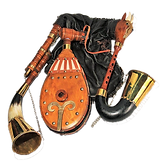
Czech Republic, Poland, Slovakia, Germany, Austria a bellows-blown or mouth-blown bagpipe with a melodic chanter and a single long drone pipe with a carved wooden goat’s head, used for wedding dances, carnivals, and folk festivals.
gaida

Bulgaria, North Macedonia, Greece a bagpipe made from a goat or sheep skin with a single-reed drone and a melodic pipe, used for outdoor festivals, weddings, and energetic circle dances.
gaita

Spain, Portugal a bagpipe with a leather or synthetic bag, a melodic chanter, and at least one drone, used in folk dances, weddings, and regional processions.
gajdy
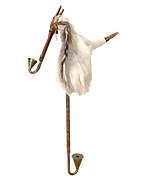
Slovakia, Poland, Czech Republic a bagpipe native to the Carpathian Mountains with a large animal-skin bag and carved wooden pipes, used in shepherds' songs and winter solstice caroling.
great highland bagpipes
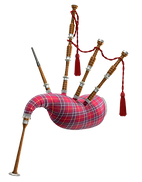
Scotland, United Kingdom, Gibraltar a bagpipe with a central air reservoir, three constant-tone drones, and a finger-holed melodic pipe, the most recognizable version of the bagpipe family, known for their extreme volume and outdoor projection, used in military ceremonies, funerals, and folk competitions.
gudastviri

Georgia a bagpipe with a double-chantered pipe and no drones, used in storytelling, satirical songs, and dance accompaniment.
mashak

India, Pakistan, Nepal a bagpipe made from a complete goatskin, where the legs of the goat serve as the attachment points for the pipes, used for folk melodies, Chholiya dance (a sword dance performed at Himalayan weddings), and rural festivities.
mizwad

Tunisia, Algeria, Libya a bagpipe with a leather reservoir and a double chanter with cow-horn bells, used in folk dances and celebratory social music.
musette de cour

France a bagpipe with a velvet-covered bag, a complex bellows-blown system, and a cylindrical shuttle drone, used to create pastoral sounds for French courtly music and aristocratic ballets.
ney-anbān

Iran, Oman, United Aran Emirates, Bahrain, Kuwait a bellows-less bagpipe with a goatskin reservoir and a double-pipe chanter, used in folk dances and celebratory social gatherings.
northumbrian smallpipes

United Kingdom (England) a bellows-blown bagpipe featuring a closed-end chanter and multiple keyed drones, used in folk melodies and traditional North Eastern English dance tunes.
parkapzuk

Armenia a bellows-blown bagpipe with a double chanter and a drone, used in outdoor dances, weddings, and traditional folk celebrations.
pibau cyrn

United Kingdom (Wales) a mouthblown bagpipe with a single reed chanter, a horn to amplify the sound, a bass drone, and a separate horn covering the reed, used in folk dances and the revival of historic Welsh and Celtic music.
sac de gemecs
Andorra, Spain, France a bagpipe with a unique appearance, with a bag shaped like an entire goat skin and three drones that hang together from a common ornamental block at the front, Cercavila (street parades) and accompanies the famous Castells (human towers) and traditional dances like the Sardana.

säckpipa

Sweden a bagpipe with a single chanter and one or two drones, used in folk dance music and traditional modal melodies.
schäferpfeife

Germany, Austria, Belgium, Netherlands a bagpipe with two forward-facing drones and a conical chanter, used in Renaissance dance music and modern folk revival.
scottish small pipes

Scotland a small, bellows-blown bagpipe with a cylindrical bore chanter and three drones, designed for indoor use, used in folk music sessions in pubs or homes, and fiddle and smallpipe duets.
torupill

Estonia a bagpipe with a single reed pipe (chanter) and one or two drone pipes, a leather bag, and a simple wooden structure, used in dance tunes and folk melodies.
uillean pipes

Ireland, United Kingdom a sophisticated set of bellows-blown bagpipes with a two-octave chromatic scale chanter and "regulators" that allow the player to provide their own rhythmic chordal accompaniment, used in traditional Irish folk music.
zampogna
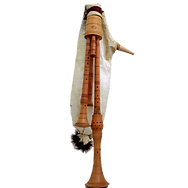
Italy a bagpipe with a large double chanter and two or more large bass drones, used by shepherds and folk musicians, in music for seasonal festivities, Christmas celebrations, and folk dances.
żaqq

Malta a double-chanter bagpipe, droneless, instead the harmony and melody are produced by two parallel pipes played simultaneously, used in Għana (traditional improvised folk singing), and Imnarja festival (the Feast of St. Peter and St. Paul).
zukra

Libya, Egypt a double-chanter bagpipe or double-clarinet instrument with two parallel pipes with single reeds and capped with two cow horns, used in rhythmic folk music genres and social events like feasts, weddings, and funerals.